![[sub]text](https://subtext-lab.com/wp-content/uploads/2026/01/white_transp-scaled.png)
Armed conflicts exert not only direct humanitarian impacts but also indirect environmental effects. They destroy critical infrastructure, increase emissions and the concentration of harmful substances in the air, and alter the composition of the atmosphere, as demonstrated by the example of the war in Sudan.
Conflicts also undermine food security by destroying agricultural land, irrigation systems, and supply logistics. As a result, prices rise, production declines, and millions of people find themselves in a state of acute food shortage.
At present, more than 100 armed conflicts are taking place around the world. In addition to their direct consequences — civilian casualties, rising levels of violence, economic stagnation, and destruction — conflicts can also indirectly affect human life. In this analytical study, we aim to examine how conflicts influence the environment and food security.
War and Climate Change
Armed hostilities do not directly accelerate global warming; however, they can indirectly contribute to rising global temperatures. When discussing direct and long‑term consequences, the primary factor is the degradation of natural systems.
Direct Environmental Consequences
Attacks on Critical Infrastructure
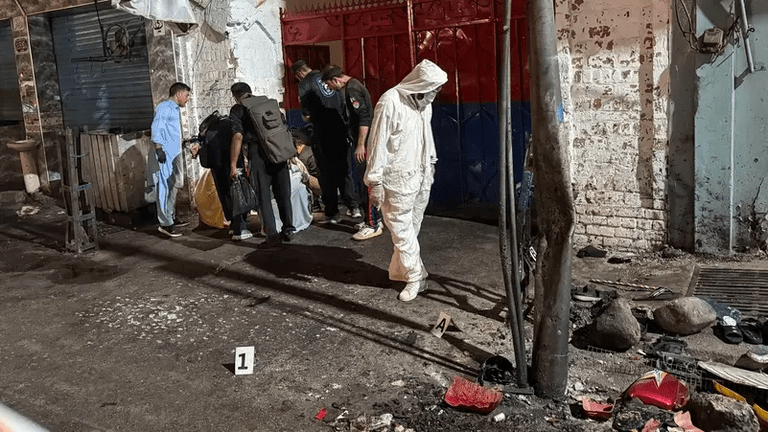
During armed conflict, critical infrastructure often comes under attack. Primarily, this includes power plants, oil refineries, and pipelines; secondarily, water infrastructure such as water supply networks and pumping stations. Strikes on such infrastructure lead to increased emissions of CO₂, methane, and other toxic substances. These emissions, in addition to affecting the climate, directly impact the health and lives of civilians.
Increase in Harmful Air Pollutants
An increase in the concentration of harmful substances in the air by even 10–15% can pose danger to human health and lead to severe medical consequences.
Fine particulate matter PM2.5 and construction dust from destroyed buildings are particularly hazardous. PM2.5 particles can penetrate deep into the lungs and then enter the bloodstream. Long‑term elevation of particulate matter contributes to the spread of respiratory infections and COPD. Over time, it also influences the development of heart attacks and lung cancer.
Armed hostilities directly contribute to increased levels of PM2.5,ozone O₃ and nitrogen dioxide NO₂.
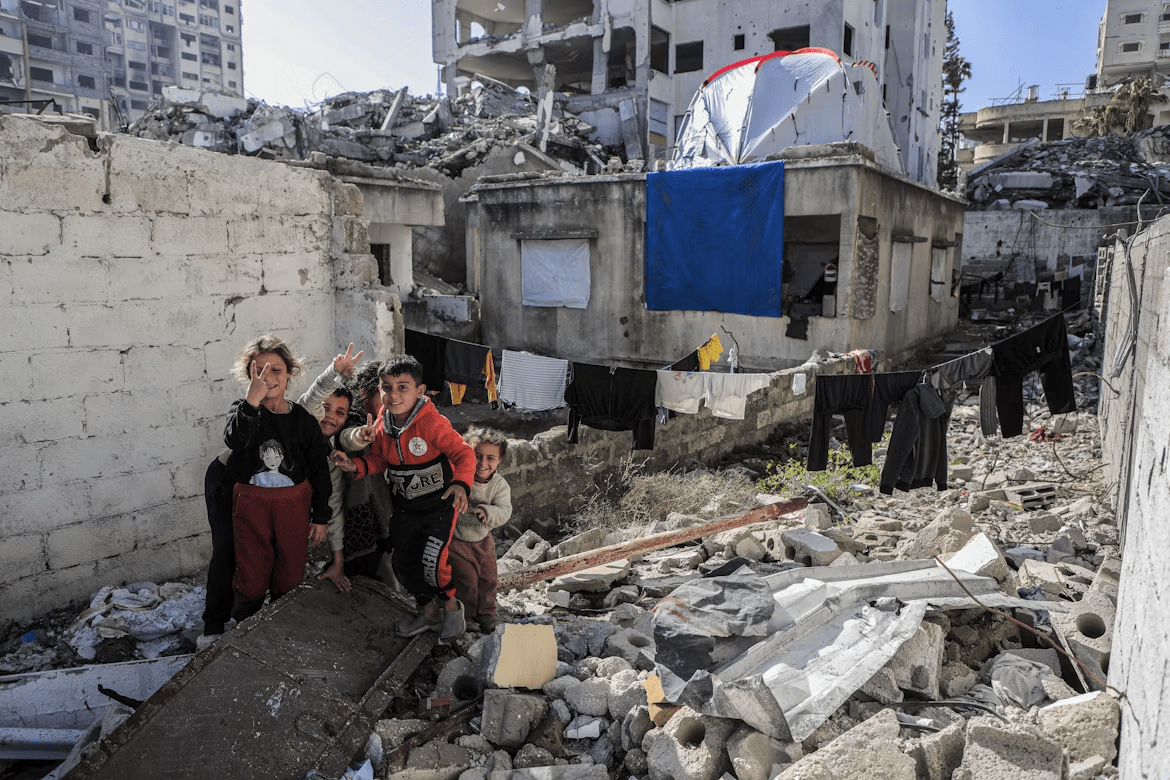
Air Pollution During the War in Sudan
We examined how emissions of harmful substances increased during the war in Sudan, starting from its active phase in 2023, relying on the referenced study.
In regions affected by hostilities, the average concentration of PM2.5 particles and ozone (O₃) rose by 15.78%. This increase in fine particulate matter is associated with emissions from explosions and gunfire. Particularly high levels may indicate the detonation of rockets, artillery, and aerial bombs, which could have caused the destruction of buildings, leading to additional emissions of construction and mineral dust.
Regarding nitrogen dioxide, its levels were high in cities before the war, correlating with transportation use and industrial emissions. After the start of the active phase of the conflict, nitrogen dioxide levels in cities declined, especially in Khartoum. We can assume that this decrease was linked to the collapse of urban economic activity: factory closures and halted transportation. In certain areas, including Darfur, local spikes occurred due to power generators and the movement of military vehicles.
Although the war in Sudan is not a direct consequence of global warming, it has led to a transformation of atmospheric composition. Traditional urban emissions from vehicles have been replaced by rising levels of toxic aerosols.
Armed conflicts are not drivers of climate change, but they contribute to the formation of zones with extreme emissions.
Food Security
Alongside climate change, conflicts directly affect food security. As a result of hostilities, entire agricultural areas are destroyed, and critical facilities — including water supply infrastructure — are damaged.
Conflict parties often mine fields. Iraq is the most heavily mined country in the world, where vast areas of fertile land have been taken out of use due to unexploded ordnance, rendering them unsuitable for agriculture. As a result, civilians and entire communities are forced to relocate to other regions and cities, placing additional pressure on the infrastructure of already overcrowded urban areas.
Agricultural infrastructure is also destroyed during war. Irrigation channels are damaged, and equipment is lost. This leads to reduced productivity in agriculture. During the civil war in Syria, around 40% of irrigation systems were destroyed, reducing wheat production by nearly half.
Armed groups often take control of major highways and key roads, complicating the movement of goods, including food. Supply chains are disrupted, and transport companies are forced to raise delivery prices to conflict‑affected areas by up to five times the market rate. For example, in Yemen, delivering food to northern regions is three times more expensive.
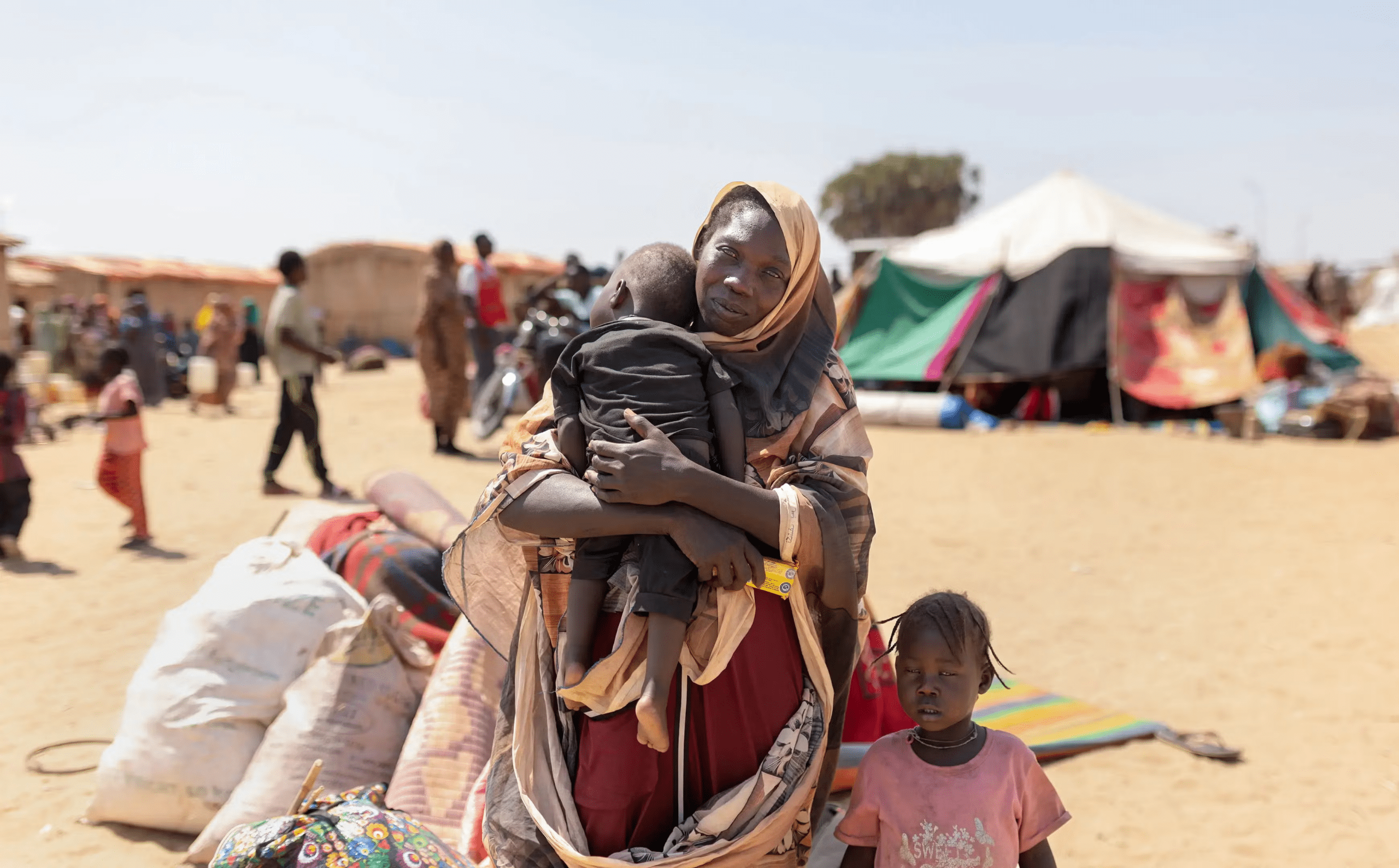
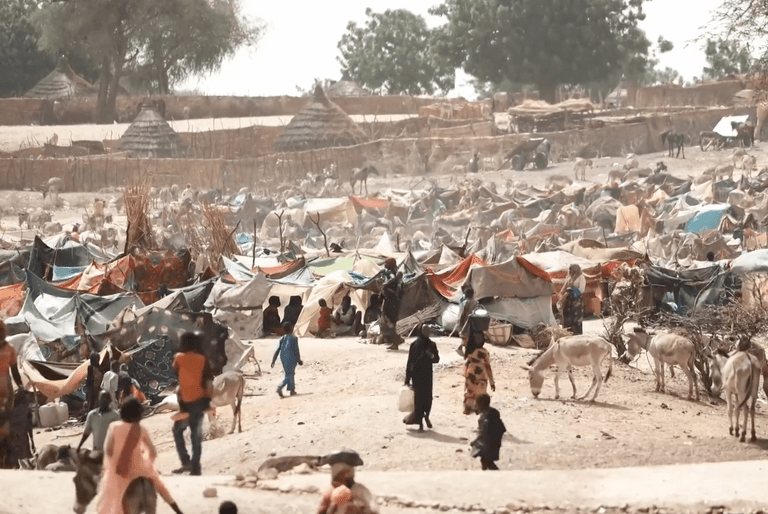
Armed conflicts directly affect food security. Civilians in active conflict zones lose the ability to meet their basic needs, leading to humanitarian crises. In Sudan, around 30 million people are experiencing acute food insecurity.
Conclusion
Thus, modern armed conflicts create a dual loop of vulnerability: the destruction of infrastructure causes long‑term environmental contamination, which, combined with the collapse of the agro‑industrial sector, deprives entire regions of the ability to recover even after hostilities end.



 Russian
  English