![[sub]text](https://subtext-lab.com/wp-content/uploads/2026/01/white_transp-scaled.png)
The conflict continues in Sudan between the Sudanese Armed Forces (SAF) and the Rapid Support Forces (RSF), which has led to the largest humanitarian catastrophe in the last twenty years.
The war has been ongoing for three years. It began as a power struggle between two factions that jointly participated in the ousting of Omar al-Bashir's regime in 2019. After the coup, a conflict arose between them for control over state institutions, escalating into full-scale hostilities.
Current Situation
Sudan remains divided between two opposing forces.
The Sudanese armed forces continue to control the capital — Khartoum. In May 2025, the SAF finally secured the city and have since been trying to return it to normal life. Water and electricity supply have been restored in Khartoum, but a significant part of the civilian infrastructure remains destroyed.
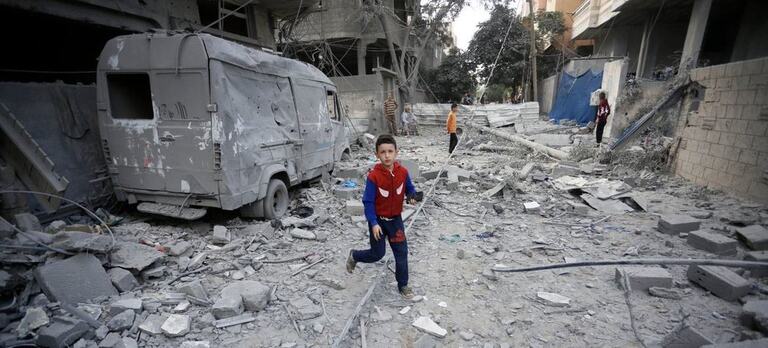
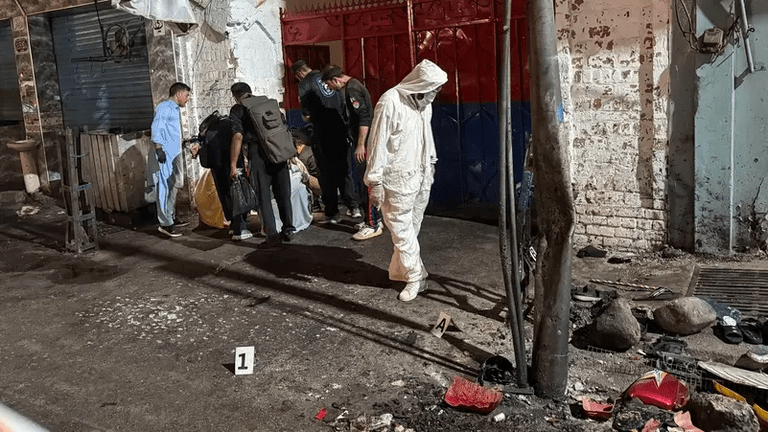
Landmines and unexploded ordnance pose a serious threat: authorities report the clearing of tens of thousands of devices, but instances of detonations among civilians continue. Entire neighborhoods on the outskirts of the capital have been destroyed, and shelling is periodically recorded.
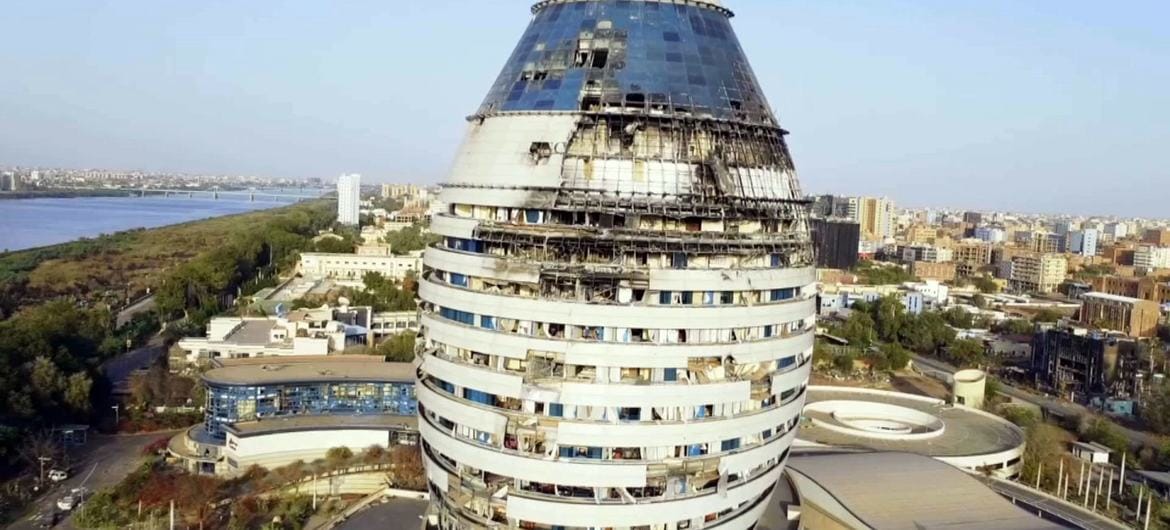
In January 2026, the Sudanese government returned to Khartoum, marking an important step towards stabilizing the political system. According to the UN, around 4 million people have already returned to the capital and its surroundings.
The eastern regions of the country, the Northern Blue Nile, and areas where the army managed to break an eight-month siege in South Darfur also remain under SAF control. However, the return of people to South Darfur and the Blue Nile regions is complicated due to ongoing RSF attacks, which actively use mortars and drones.
RSF holds one of the key economic regions — Darfur. Northern Darfur hosts large gold mines, providing the RSF with a stable source of income. According to the UN and Swissaid, a significant portion of gold is illegally exported via improvised airstrips and through neighboring countries — Chad and South Sudan.
Separate investigations indicate UAE involvement in the purchase of gold, which may be exchanged for weapons.
In February 2026, Saudi Arabia signed an agreement with the Sudanese government regarding the exploration and export of precious metals, strengthening its support for the SAF and reducing RSF's influence in the gold mining sector.
War Crimes
Both sides repeatedly and systematically commit war crimes. According to the UN and the African Commission, SAF and RSF are responsible for violations of international humanitarian law: violence against civilians, sexual crimes, strikes against civilian infrastructure, obstruction of humanitarian aid delivery, and repression against alleged supporters of the opponent.
The actions of RSF in Darfur are characterized by the UN as having "signs of genocide". After the capture of El Fasher in October 2025, at least 6,000 people were killed in a matter of days. Mass extrajudicial executions, predominantly of the Masalit, are recorded in Darfur.
Accusations against the SAF include striking densely populated residential areas and civilian infrastructure. The scale of ethnic crimes recorded against the SAF is significantly lower than that against the RSF, but indiscriminate attacks by the army also result in numerous civilian casualties.
Humanitarian Situation
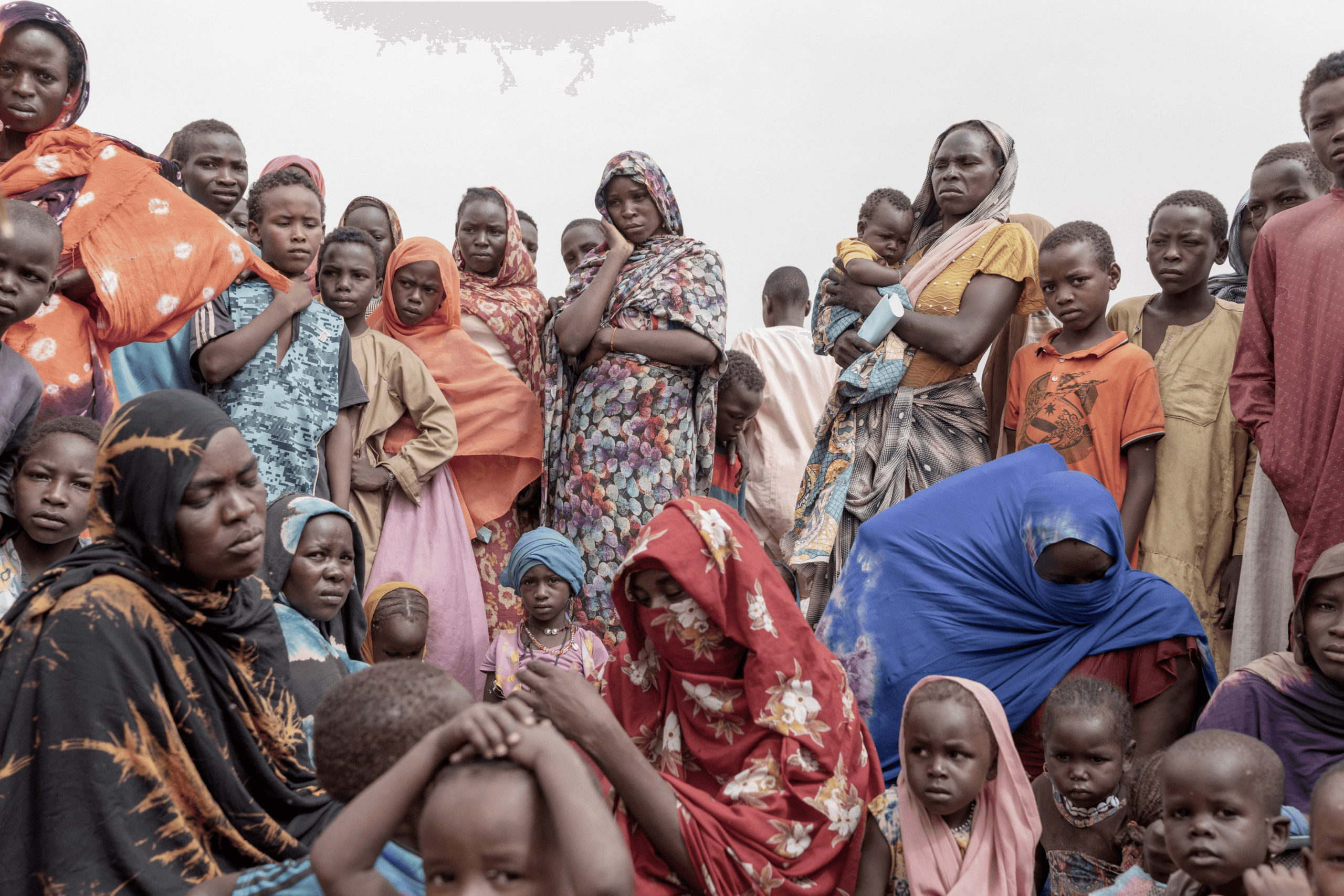
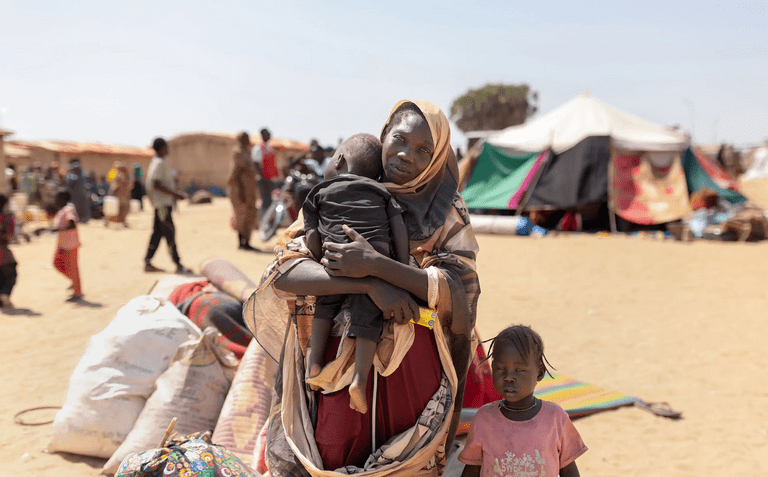
The humanitarian situation in Sudan is one of the most severe in the world.Over 33 million people are in urgent need of assistance.
Approximately 9 million have become internally displaced persons, forced to seek safer areas or refugee camps. However, the camps themselves often become targets for armed groups: in April 2025, RSF an attack was carried out on the Zamzam camp.
About 20 million people are experiencing acute food insecurity. In Northern Darfur, signs of famine and increased mortality among children are being recorded.
The healthcare system is paralyzed: many hospitals are destroyed or closed. Measles and cholera outbreaks are observed in Darfur and the Blue Nile. UNICEF reports that 386,700 people received primary medical care, but this is only a small fraction of actual needs.
The delivery of humanitarian aid is complicated or impossible due to attacks on convoys and ongoing hostilities.
The exact number of civilian casualties is impossible to determine, but estimates indicate tens of thousands of victims over three years of conflict.
International Situation
On April 17, 2026, the Third International Conference on Sudan was held in Berlin — the largest in recent years. Participants included 55 countries, the African Union, the EU, the UN, the Arab League, IGAD, the World Bank, and the African Development Bank.
The aim of the conference is to restart the political process and ensure humanitarian access. However, the conflicting parties are reluctant to negotiate and restrict the access of international organizations. The main issue is the unresolved question of who will control power.
We will continue to monitor the situation.
We are establishing the highest purple danger level in Sudan.

 Russian
  English