
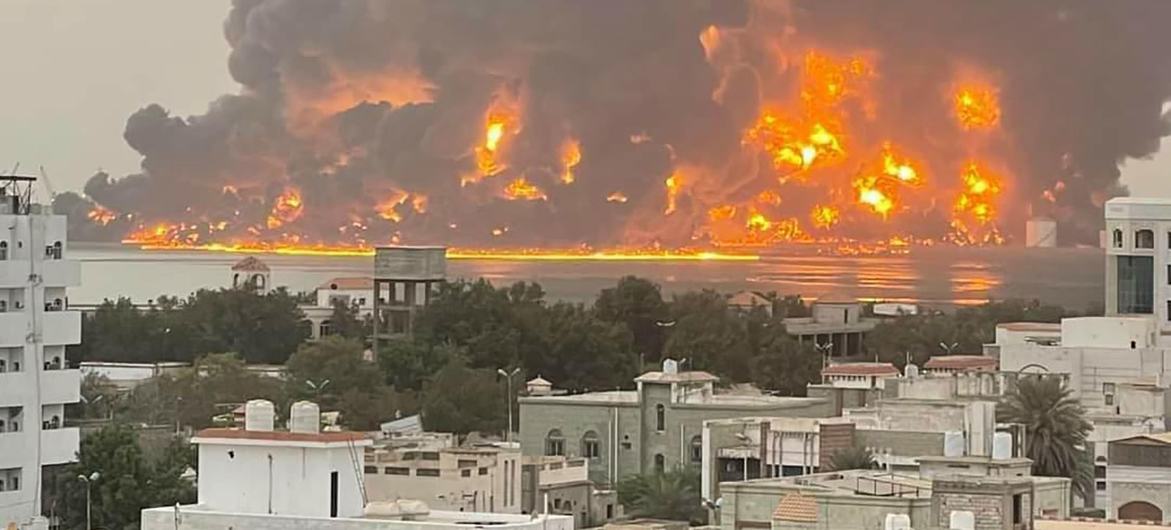
The global energy crisis continues to worsen. This is particularly felt against the backdrop of the Houthis' advance along the coast of Yemen. The situation is further complicated by the nearly completely blocked Strait of Hormuz, which is controlled by Iran.
Fuel prices continue to rise. In developed countries, the cost of fuel has increased by 10-20%, while in the USA, the increase has reached about 45%. This has forced Donald Trump to request supplies of Russian diesel fuel to the USA.
In the coming months, the situation may significantly deteriorate if the Houthis establish full fire control over the Bab-el-Mandeb Strait, which plays an important role in regional and global trade.
What is happening now in Yemen?
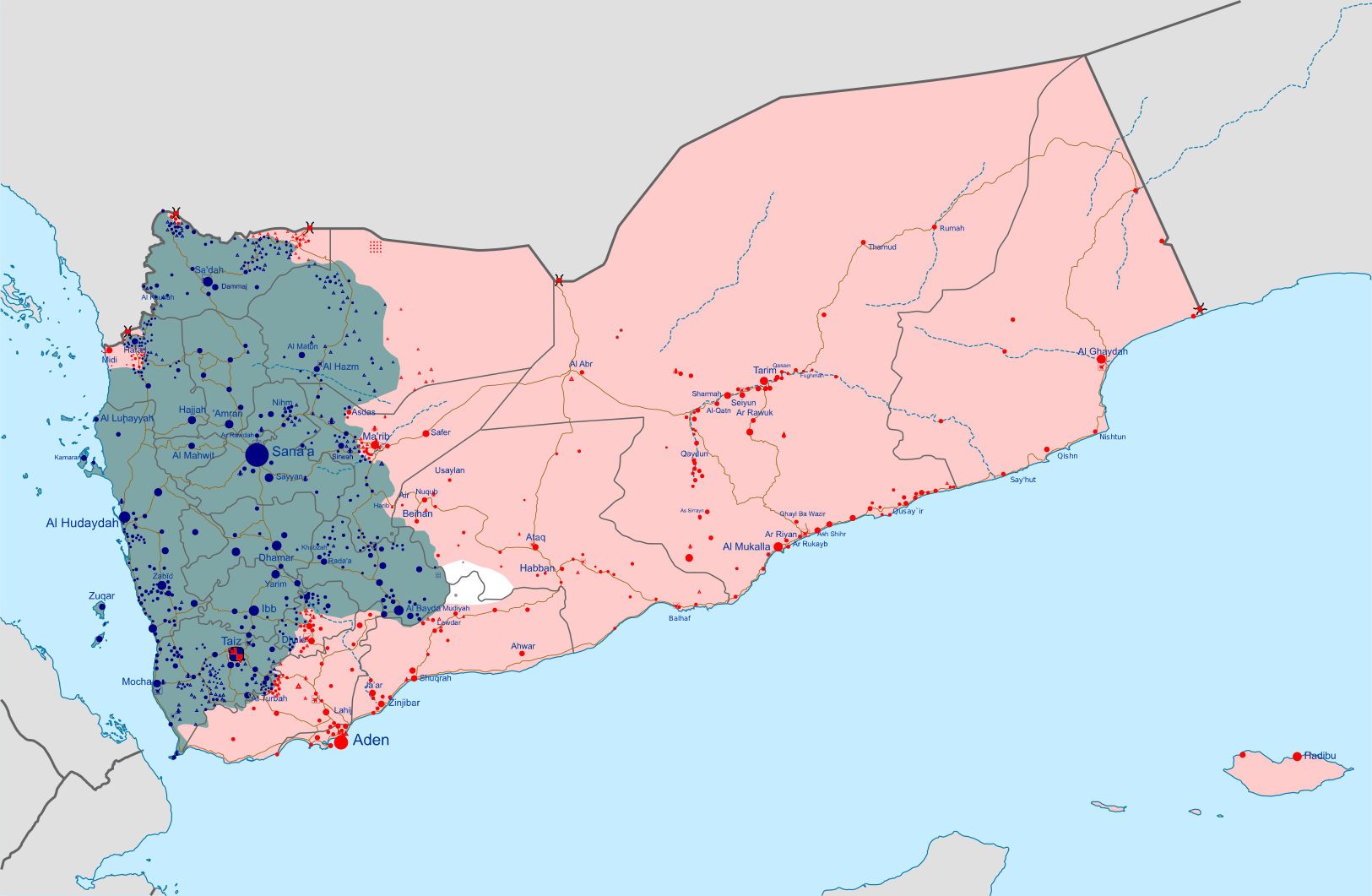
In mid-September, the Yemeni Houthis successfully broke through the defenses of government forces and managed to march to part of the coastline. They were able to take control of the city of Mocha, a strategically important port on the Red Sea. After that, they gradually expanded their presence in the provinces adjacent to Taiz, the third largest city in Yemen. However, so far the Houthis have only managed to capture individual districts around the city and intensify its shelling. It is premature to speak of encircling Taiz.
As for the Bab-el-Mandeb Strait, government forces, with the support of Saudi Arabia, have managed to push back the Houthis from part of the coastal area and restore a certain level of operational control. However, it is difficult to accurately determine the front line due to the ongoing offensive actions of both sides.
The Houthis' tactics regarding large populated areas consist of attempts to encircle them. If this fails, the cities are subjected to intense shelling. For example, on October 13, five civilians were killed in one day, and the total number of shells fired was about 180. Civil infrastructure suffers the most. Such attacks are primarily aimed at creating panic among the population and have a limited impact on the military situation.
However, the advance towards the coast poses a threat not only to Yemeni cities. The capital of Saudi Arabia, Riyadh, is also under threat. Yemeni Houthis have attacked King Khalid International Airport several times. On October 10, one of the attacks resulted in 12 deaths and 309 injuries. In the following days, strikes on airport infrastructure continued.
From the Houthis' perspective, Saudi Arabia uses airports to support military aviation involved in operations against them. In addition to airports, the Houthis attack gas and oil facilities. In this way, they aim to make the conflict more costly for Saudi Arabia and undermine its reputation as a safe and stable state.
Yemen's response
In response to the advance of the Houthis in Yemen, a general mobilization was announced. A call for reservists is planned. Estimates of the mobilization resource vary, but we lean towards a figure of around 100,000 people.
Simultaneously with the mobilization, an international coalition led by Saudi Arabia began Operation «Dawn of Yemen.» It represents a combined air-ground campaign. The Saudi Air Force provides support from the air, while the Yemeni army conducts ground operations.
Reports are coming in about possible military assistance from Turkey and Pakistan. However, the scale of this support remains unclear. We doubt that anyone other than the Yemeni armed forces will directly participate in the ground operation. At the same time, airstrikes, especially indiscriminate ones, may lead to additional destruction of civilian infrastructure.
As for the mobilization, we doubt that it will play a decisive role. Yemen has been in a state of civil war for many years. During this time, the humanitarian situation has steadily worsened, and the reasons for this are not only related to the actions of the Houthis. In government-controlled areas, there has been a shortage of both humanitarian and infrastructure programs. Therefore, we assess the level of training and motivation of most recruits as low.
At the same time, the Houthis conducted their own mobilization activities even before the offensive began and managed to prepare advanced units for active combat operations.
What will happen next
We doubt that the Yemeni Houthis will be able to maintain the current pace of the offensive for a long time. Their resources may prove insufficient, especially if Saudi Arabia continues to increase the intensity of strikes against their formations.
However, we also doubt the ability of government forces to achieve a decisive success. Their capabilities for conducting a large-scale ground operation remain limited. Air support may facilitate advancement, but it does not guarantee victory on its own.
Our project leans towards the conclusion that the conflict will continue, and the current escalation will gradually transition into a phase of positional warfare. The Houthis are likely to attempt to consolidate in coastal areas and maintain fire control over the surroundings of Taiz, in order to complicate supply to both the city itself and the adjacent territories as much as possible.
Risks for the civilian population
Like any armed conflict, the war in Yemen poses serious risks to the civilian population. Saudi strikes may also damage civilian infrastructure, including residential buildings, water supply systems, sewage, and other vital facilities. This makes populated areas extremely vulnerable.
The active movement of troops further worsens the situation with food security. According to available estimates, 74% households in government-controlled areas are facing food shortages. The start of a large-scale ground operation may further complicate access to food for the population both due to hostilities and because of the redistribution of resources in favor of the army.
Particularly vulnerable groups remain women, youth, and adolescents. Women may face various forms of violence from conflict participants. The consequences of such crimes can have a long-term impact on the demographic and humanitarian situation.
Young people and adolescents risk losing access to education. Additionally, they may become targets of labor exploitation or be involved in the activities of one of the parties to the conflict.
We emphasize that these scenarios are most likely in the event of further escalation of the conflict or in the case of the final consolidation of the parties in the territories they occupy.
In conclusion
A humanitarian disaster is possible not only in Yemen but also in other countries, especially if energy prices continue to rise. As long as Iran restricts shipping through the Strait of Hormuz, and the Houthis attempt to establish control over the Bab-el-Mandeb Strait, pressure on global energy markets will persist.






 Russian
 English