
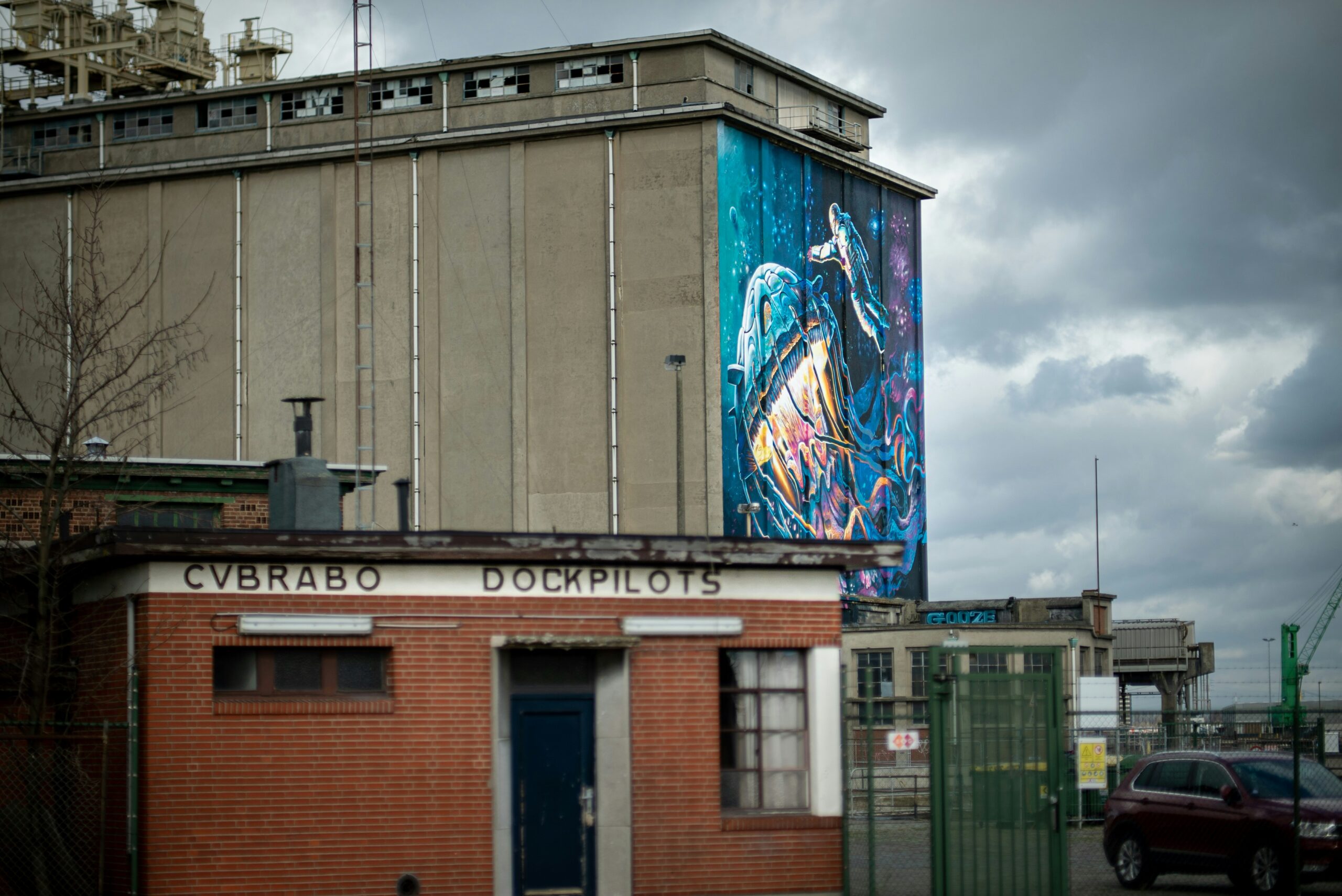
Antwerp combines economic prosperity with significant social inequality between neighborhoods. In the most vulnerable communities, adolescents face poverty, limited access to education and employment, which facilitates their recruitment by criminal groups.
The port infrastructure is used for cocaine smuggling, and minors are attracted as lookouts, couriers, and «extractors» of drugs from containers. Participation leads to violence, debt dependency, criminal consequences, and limits future opportunities; counteraction requires not only port control but also social support for youth.
We continue the cycle of research on Europe. As always, the focus is on people and vulnerable population groups that may be drawn into criminal activities by criminal organizations.
Belgium is considered one of the wealthiest countries in the European Union. At the same time, the port city of Antwerp, which houses the second largest port in the eurozone, remains one of the most criminalized cities in the region. It is often referred to as the «cocaine gateway of Europe.».
Antwerp: a wealthy city, but poor neighborhoods
Antwerp is one of the largest cities in Belgium. It has a population of 570,362, including about 170,000 children and young people. Additionally, it is one of the most diverse cities in the country. More than 180 nationalities are represented here, and 63.5% of the population has non-Belgian origins. Among adolescents, this figure reaches 83.7%.
There are several reasons for such a multicultural population composition. The city's diversity has developed over centuries. Even in the 16th century, considered the «golden age» of Antwerp, the first specialized trading exchange appeared here. As a result, a large number of merchants from all over Europe flocked to the city, and the first international communities began to form.
In the 20th century, migration to the city significantly increased. Industry was actively developing in Belgium, and the Port of Antwerp was already the second largest in Europe after Rotterdam. This ensured a constant influx of labor. The main groups of migrants were from Morocco, Turkey, the Netherlands, and Poland. Additionally, the famous Diamond District is located in the city, which is now largely controlled by Indian entrepreneurs and representatives of the Hasidic Jewish community.
Thus, many neighborhoods and districts of the city were formed under the influence of demographic and ethnic factors. As a result, they exhibit a complex social structure and vary significantly in terms of population well-being.
We decided to highlight three neighborhoods and see how much vulnerability local residents: Linkeroever, Hoboken, and Borsbeek. In the Linkeroever area, the vulnerability rate among children and youth is about 52%, in Hoboken — 37%, and in Borsbeek — 32%.
The difference between Linkeroever and Borsbeek is 20 percentage points. There are several reasons for this.
Firstly, Linkeroever has a large amount of social housing. Such neighborhoods typically house families with low incomes, migrants, and the unemployed. It is not uncommon for several generations of one family to live in a single apartment.
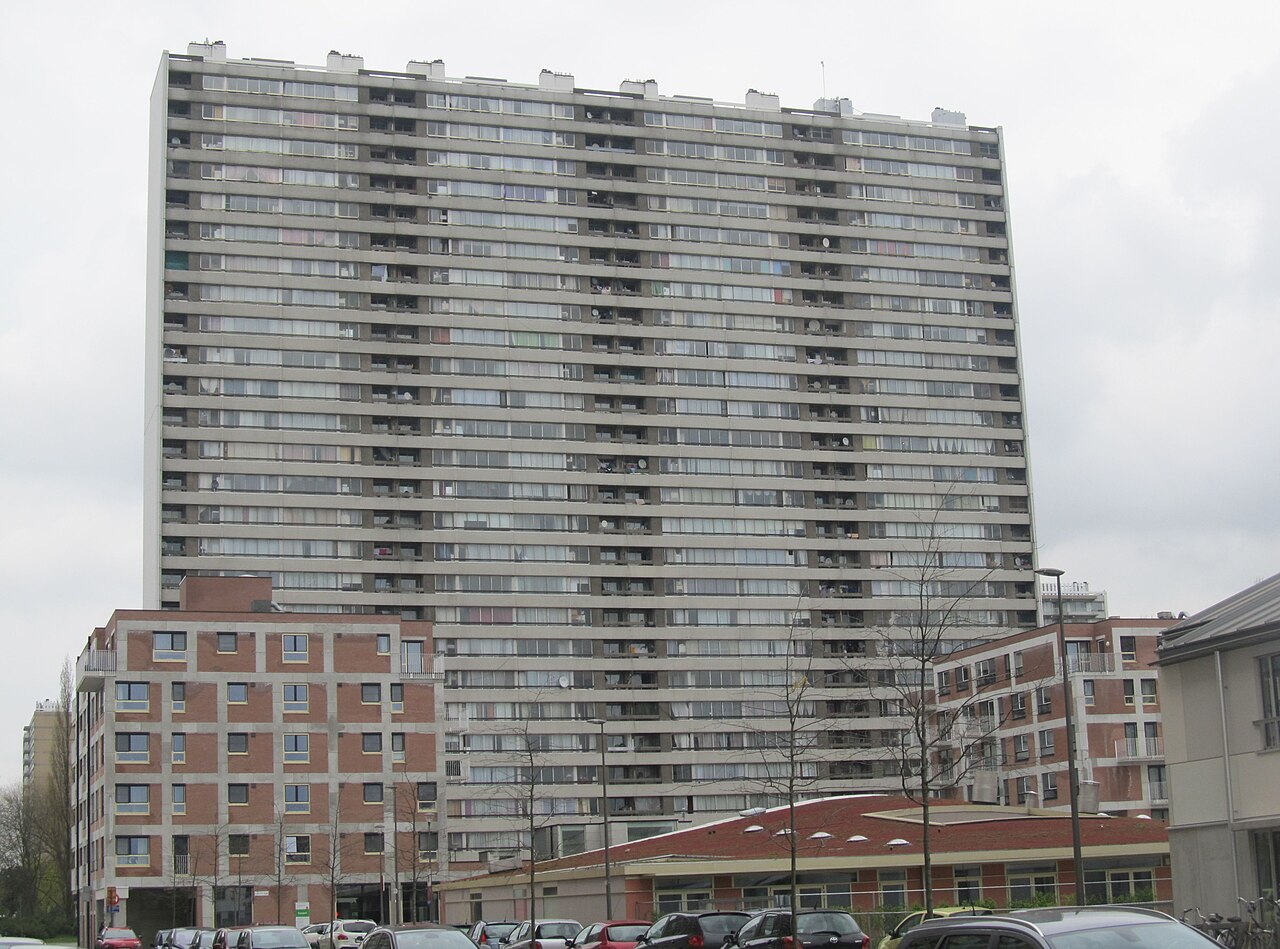
Secondly, the area is partially isolated from the main urban infrastructure. It is located on the opposite bank of the Scheldt River in relation to the business center of Antwerp. Despite the availability of public transport, the mobility level of residents here remains lower than in other areas of the city. This limits youth access to educational, cultural, and recreational infrastructure. In public perception, the area is often viewed as a kind of isolated enclave.
Furthermore, criminal groups operate in Linkeroever, involving youth in various criminal schemes, including as couriers. The main reason for the attractiveness of such offers is the opportunity to quickly earn more than the parents of the teenagers do.
The combination of these factors makes Linkeroever one of the most vulnerable areas of the city in terms of youth involvement in criminal activities.
Youth as a risk group
According to data Europol, the involvement of youth and adolescents in organized crime networks has ceased to be an episodic phenomenon and has turned into a persistent trend across Europe. According to the agency, minors are involved in more than 70% of shadow markets, including drug trafficking, smuggling, fraud, and other types of criminal activities.
Organized crime groups most often use teenagers aged 13 to 17, as they are more easily manipulated and persuaded. The primary target is young people from socially disadvantaged families.
The connection between urban areas and the criminal economy is of a direct geographical nature: it is on the left bank of the Scheldt (Linkeroever) that the largest deep-water container docks are located, including Deurganckdok. The closed industrial zone literally borders residential areas with a high proportion of vulnerable youth.
The Port of Antwerp is the second largest in Europe. It handles tens of millions of tons of cargo annually. The port areas stretch for dozens of kilometers along the banks of the Scheldt and cover an area of about 13,000 hectares. All terminals are regime facilities. However, due to the enormous size of the port area, it is extremely difficult to ensure complete physical control over every section.
The phenomenon of Uithalers («extractors»)
Drug cartels send cocaine in containers along with legal cargo, such as fruits or coffee. Drug packages are placed in the container just before its departure, when the main cargo is already loaded. This scheme is known as rip-on/rip-off and allows for the expedited extraction of drugs at the destination.
After that, the container arrives in Antwerp. Despite the high level of security and the use of scanners, it is impossible to fully check the entire cargo flow. The scale of transportation is so large that the search for drugs is often compared to finding a needle in a haystack.
An additional problem remains corruption. Individual employees may ignore signs of smuggling. However, criminal structures often use another approach, recruiting young people to infiltrate the port area and extract drugs before additional checks are conducted.
В criminological practice The Netherlands and Belgium use the term uithalers («extractors»). This term refers to members of criminal groups who illegally infiltrate ports to extract cocaine from containers. In many cases, they are teenagers.
Sometimes groups infiltrate the perimeter on their own, but increasingly, organizers use so-called «Trojan containers» (Trojan containers). Such a container is legally brought in by truck to the terminal several days before the arrival of the target vessel. Inside, a temporary hideout is set up in advance: sleeping bags are laid out, chemical toilets are placed, and supplies of water, food, and external batteries are left. Teenagers can hide inside the metal box for days waiting for a signal. Upon receiving the coordinates and PIN code for the required container via messenger, they go outside, break the seals, and reload the bags.
In most cases, «extractors» are teenagers aged 13 to 17. There are several reasons for this:
- Young people are more mobile and can hide more easily in large terminal areas.
- Minors enjoy certain legal protections. Until they reach the age of 18, they are usually sent not to adult prisons but to specialized educational centers. Exceptions are possible only in cases of serious violent crimes and the passage of a special judicial procedure for transfer to adult jurisdiction (enforcement of rights).
- Criminal networks perceive such teenagers as easily replaceable expendable resources (cannon fodder). For one operation, several dozen people may be sent: if part is intercepted by security or police, others will manage to retrieve the cargo, and it will not be difficult for the organizers to recruit a new group.
There is another feature. After the legislation regarding «extractors» was tightened in the Netherlands in 2022, the number of such incidents in the ports of Rotterdam and Amsterdam decreased. In response, criminal networks began actively recruiting teenagers in Dutch cities, centrally transporting them by minivans to Antwerp and connecting them with local groups.
Who becomes a target?
Most often, the targets of recruitment are teenagers from low-income or socially disadvantaged families. However, this does not mean that every such teenager will inevitably become involved in criminal activities.
The Linkeroever area has a large number of social high-rise buildings, including the Europark complex. Apartments in such buildings are often overcrowded, so teenagers spend a significant amount of their free time in courtyards and on the streets.
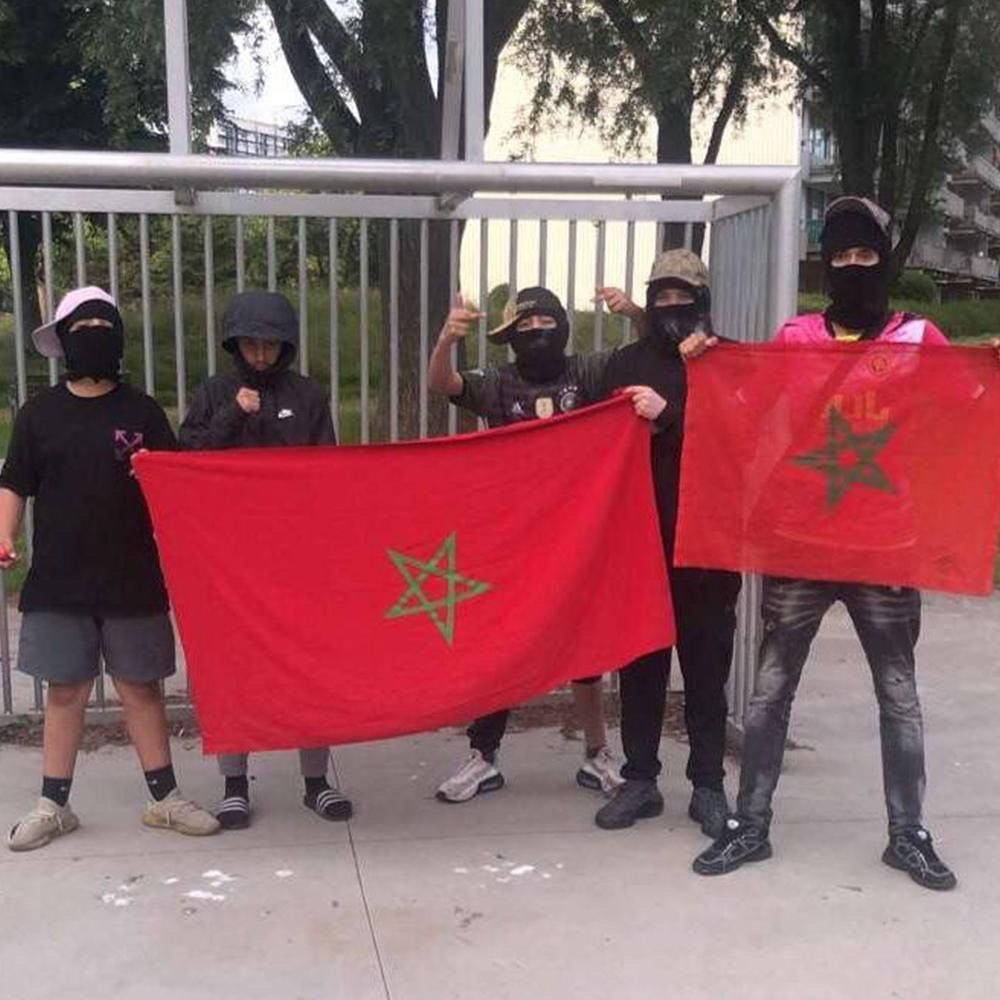
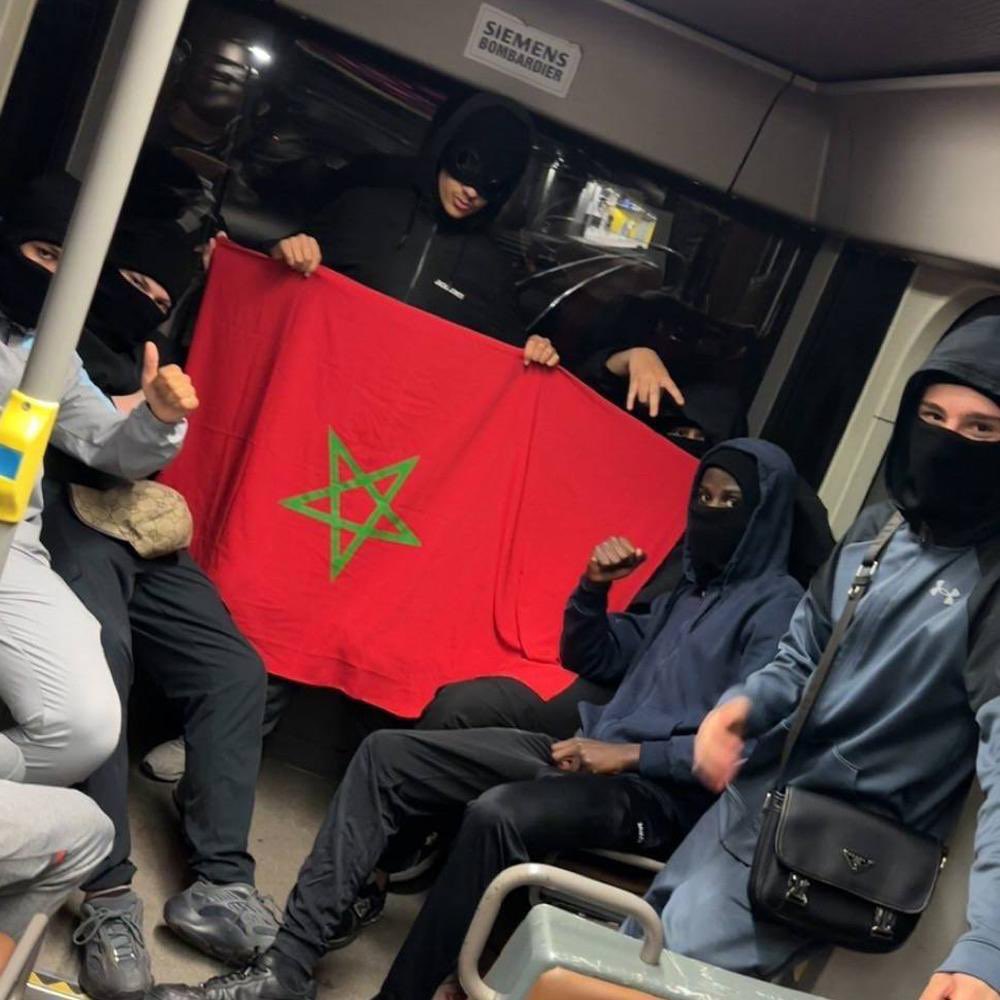
It is there that they encounter older young people demonstrating signs of prosperity: expensive smartphones, designer clothes, rented sports cars, and other external indicators of criminal wealth. As a result, the teenager develops a desire to quickly earn money for similar items, making recruitment significantly easier.
Barriers in education also play a role. Children of migrants are more often placed in vocational training systems (BSO) and may face bias both during their studies and later when searching for legal internships or their first job. The feeling of institutional deadlock increases social vulnerability and makes recruiters' offers more attractive.
The mechanics of recruitment in Antwerp
Recruiting teenagers into criminal networks usually goes through several stages. Initially, personal contact is established — on the street, in shisha lounges (shisha lounges), tea houses, fast food outlets, or martial arts gyms.
Alongside personal communication, criminal groups actively use digital recruitment through platforms like Snapchat and Telegram. Advertisements are disguised as offers for «easy work for a couple of hours» with a sports focus. The promised reward ranges from several hundred to several thousand euros. In addition to open channels, targeted personal messages are sent directly to teenagers.
The involvement ladder
- Spotting / Lookouts. The teenager observes the situation near port entrances or around police stations, noting the movements of patrols. The reward is usually between 100–300 euros. Children aged 13–14 are often recruited for this role.
- Runner / Courier. Courier functions: pick up and transport a bag, deliver a package, rent accommodation through someone else's account for the temporary housing of scheme participants.
- Extractor. Direct penetration into the terminal and extraction of cocaine packages from containers. Teenagers are promised between 5,000 and 20,000 euros for a job. However, in practice, performers often do not receive any money at all: organizers accuse them of timing failures, loss of part of the packages, or police raids, driving young people into debt dependency and forcing them to work off the «debt» for free.
- Aanslagen (intimidation attacks). The most dangerous level associated with conflicts between groups. Teenagers are tasked with throwing a hand grenade into an entrance, setting fire to the front door, or shooting the facade of a competing family's house with automatic weapons. They are paid relatively small amounts (often between 500 and 1,000 euros), requiring them to record a confirming video on Snapchat. Underage performers have a weak understanding of the consequences of such actions and effectively document evidence against themselves.
The cost of involvement
Teenagers drawn into such schemes pay a high price for the illusion of easy money.
In the criminal hierarchy, they bear personal responsibility for the safety of multimillion-euro cargo. In the event of an operation failure, drug confiscation by customs, or theft of goods, suspicion falls on the performers. Cases of kidnapping, beatings, and torture of minors in rented storage boxes and basements are regularly recorded in Antwerp.
Coming to the attention of juvenile justice and having a criminal record permanently closes access to legal employment in the port. To work at the terminals as a docker, logistician, or equipment operator, an electronic security pass is required — Alfapass. A mandatory reliability check (security screening) excludes candidates with a criminal record, depriving the teenager of a chance for one of the most stable and well-paid jobs in their city.
Moreover, being inside a sealed container for several days — in cold or heat, in unsanitary conditions, and under constant fear of detention — severely damages the physical and psychological state of the teenager.
Conclusion
The history of Antwerp shows that the economic prosperity of the city does not mean equal opportunities for all its residents. Behind the developed port infrastructure and international trade lie areas where youth face poverty, limited access to education and leisure, as well as difficulties in finding work. In such conditions, the promise of quick earnings becomes an effective recruitment tool.
At the same time, neither origin, nor place of residence, nor low income alone determines the fate of a teenager. Vulnerability arises from a combination of circumstances, and criminal groups coldly exploit young people's need for recognition, independence, and financial stability. Behind seemingly attractive promises lie deception, violence, debt bondage, and broken biographies.
Therefore, countering the involvement of minors cannot be limited solely to securing terminals and police raids. It is necessary to expand access to education, legal employment, and safe leisure, support families, and teach teenagers methods to resist recruitment. The focus should remain on the individual: youth should not be perceived as expendable resources of the criminal world or objects of criminal chronicles, but as people in need of systemic protection and open life prospects.

 Russian
 English