![[sub]text](https://subtext-lab.com/wp-content/uploads/2026/01/white_transp-scaled.png)
Northern Bulgaria, especially the regions of Vidin, Vratsa, Pleven, and Montana, remains one of the most underdeveloped regions in the EU. Historical agricultural peripheral status, uneven industrialization, weak infrastructure, low investment, unemployment, and demographic decline exacerbate poverty and population migration.
Socio-economic vulnerability contributes to the rise of petty crime, the involvement of youth in the shadow economy and organized crime, as well as the spread of exploitation, human trafficking, and drug trafficking along the Balkan route. Young people are particularly susceptible to lack of employment and education.
Northern Bulgaria is one of the most depressed regions in the European Union. The territories in the north, including the provinces of Vidin and Vratsa, are the least developed in all of Bulgaria. Additionally, large volumes of drug trafficking pass through these provinces, as well as throughout northern Bulgaria, along the so-called «Balkan route.».
Poverty in Northern Bulgaria creates vulnerability for part of the population, which in turn leads to migration, forced exploitation, and the involvement of youth in criminal structures.
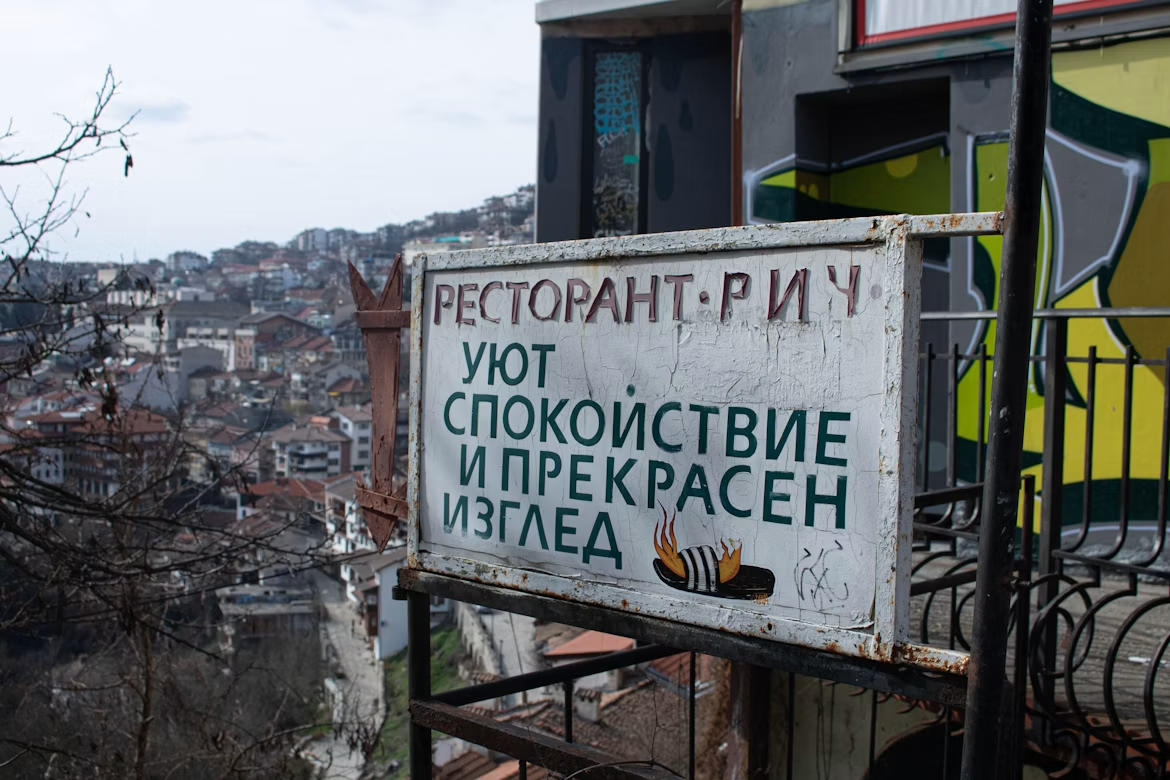
Northern Bulgaria is a good example of the uneven development of the European Union. By studying this region, we can better understand where at-risk groups emerge and what modern exploitation looks like, aside from human trafficking in Romania, as discussed in our other research. Furthermore, this study helps to understand why EU countries develop unevenly, whether the historical past of countries affects their current development, and how the EU and individual states can address modern challenges.
Historical context
Ottoman conquest
Independence (agricultural periphery)
Socialism (industrialization, but uneven)
Collapse of socialism (deindustrialization, migration)
Accession to the EU (funds available, no results)
In 1396, Bulgaria was finally conquered by the Ottoman Empire. The Ottomans established Ottoman rule over Bulgarian territory, effectively incorporating these lands into the empire. This differed from the Mongol yoke over Rus, as the Russian lands paid tribute but were not forcibly included in the Horde.
Under Ottoman rule, Bulgaria developed primarily as an agricultural country, especially its northern part. There was no concentration of crafts or trade in the north. Infrastructure was also absent, with no roads or bridges. By the time of gaining independence, Northern Bulgaria had not established an industrial base, and cities remained underdeveloped.
After the Russo-Turkish War in 1878, Bulgaria gained independence. However, the economic structure of the country did not change significantly. It remained predominantly agricultural, without industrial centers. Land was also cultivated unevenly, and peasants received only small plots for farming.
Northern Bulgaria remained an agricultural periphery, where grain crops and livestock farming primarily dominated.
After World War II, Bulgaria became a socialist republic and was effectively under the influence of the USSR. Under Todor Zhivkov, the Bulgarian leadership demonstrated exceptional loyalty to the Soviet Union. In 1963-1964, Zhivkov proposed the idea of closer integration with the USSR, up to the possible inclusion of Bulgaria as a union republic within the Soviet Union. However, the Soviet leadership did not support this proposal.
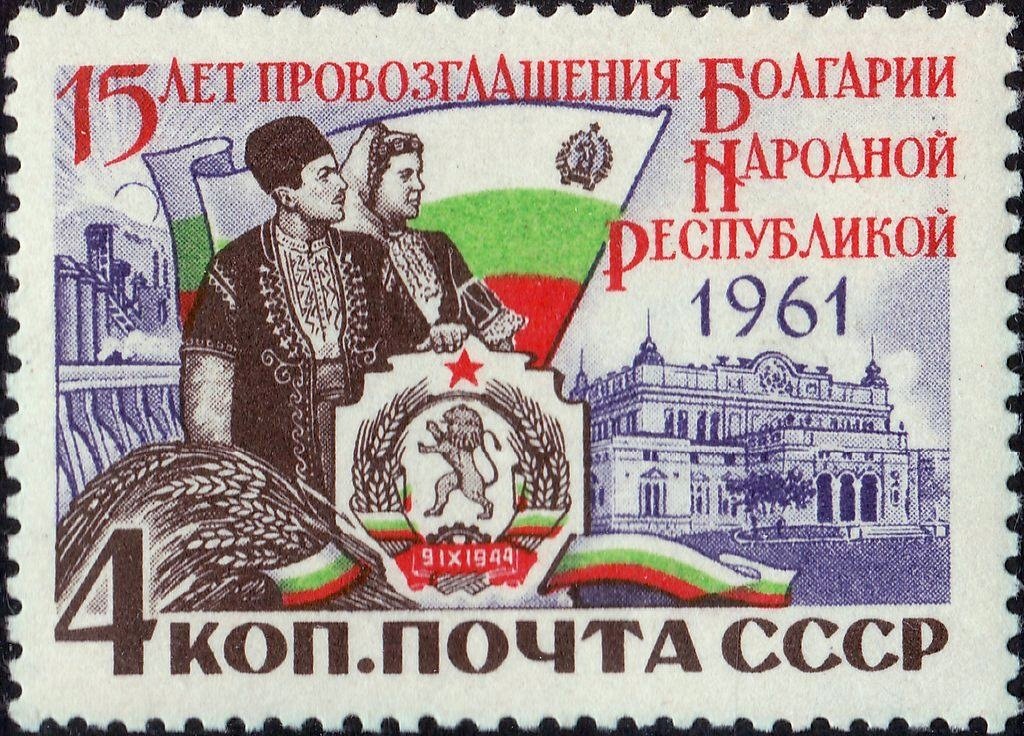
During socialist Bulgaria, the country actively pursued industrialization. However, it was carried out unevenly, primarily affecting the capital Sofia and the southern regions. Large industrial centers were created in the south, while auxiliary industries, mainly light industry enterprises, developed in the north. The entire economy depended on state subsidies, and market planning was absent.
Industrialization reduced poverty and decreased social inequality, while simultaneously creating an economy dependent on centralized planning. Thus, industrialization during this period merely masked the historical peripheral nature of the region but did not eliminate it.
In 1989, socialism in Bulgaria collapsed. As in many countries of the socialist bloc, Bulgaria gradually began transitioning to a market economy. The collapse of the socialist system hit northern Bulgaria the hardest. The region faced the consequences of problems that had accumulated over centuries: outdated infrastructure, a demographic crisis, and agricultural backwardness.
The poverty of the region led to an increase in crime and smuggling. For part of the population, such activities became one of the survival strategies in the context of economic decline.
The economic development of Bulgaria nowс
Today, Northern Bulgaria is one of the most depressed regions in the European Union. The regions of Vidin, Vratsa, Pleven, and Montana rank last in terms of income levels, employment, demographic indicators, and investment volume. The region continues to be in a state of socio-economic decline.
GDP per capita in the Northwestern region is about 17,500 leva (approximately 8,500 euros). This is 2.5 times less than in the Southwestern region, with Sofia as its capital. It is in the capital that economic activity remains the highest.
In 2024 the real GDP in the north continued to decline and decreased by 21%, while the South-Central region of Bulgaria, centered around Plovdiv, demonstrated GDP growth of 11.61%. The decline in GDP indicates a further deterioration of the economic situation in the region.
As for unemployment, the average rate in northern Bulgaria is about 12%, which is significantly higher than the national level of 3%. In some municipalities, unemployment reaches 54%. Particularly high unemployment is observed among youth. As a result, young people are forced to migrate to more developed European countries in search of work. Migration processes particularly affect northern Bulgaria.
Northern Bulgaria remains predominantly an agricultural region. Investments here are virtually nonexistent. In Vidin, investments in fixed assets amount to about 2,000 leva, while in other regions, the figures exceed this level by several times.
By official data about 21.71% of the population of Bulgaria lives below the poverty line. At the same time, about 30.31% of the population is at risk of poverty and social exclusion. In the north of the country, these indicators are higher than the national average. About 1.4 million people live below the poverty line. Of these, 43% of all unemployed are registered in the north of the country.
| Indicator | Northwest | Southwest (Sofia) | Bulgaria (average) | EU (average = 100) |
|---|---|---|---|---|
| GDP per capita (PPS, % from EU) | 41,7% | ~75% | 66% | 100% |
| GDP per capita (lev) | 17 500 | ~43 000 | 25 956 | — |
| GDP per capita (euro) | ~9 000 | ~22 000 | ~13 000 | ~25 000 |
| Unemployment | 12% | ~3% | 3,5% | 6,4% |
| NEET (youth 15–29) | 33,5% | 6,2% | 12,7% | 11% |
| Poverty (risk of isolation) | 35%+ | ~20% | 30,3% | 21% |
| Investments per capita (lev) | ~2 000 | ~20 000+ | — | — |
Impact on the population: exploitation, crime, and vulnerable groups
The unemployment rate among youth is 14.11%, and about 12.1% of young people are neither working nor studying. In northern Bulgaria, 33% of young people are not studying or working, which contributes to a sense of apathy and lack of life prospects. In such conditions, the risk of youth involvement in the shadow economy, casual earnings, and gradual entanglement in the criminal environment, including drug distribution and trafficking along the so-called Balkan route, increases.
It should be noted that high alcohol consumption is observed in the northern regions. In Bulgaria, one adult consumes about 11 liters of pure alcohol per year, which is one of the highest rates in the world. In rural areas, alcohol consumption is often associated with a lack of prospects and the overall depressive state of the population, especially among youth.
The number of violent crimes in the north is relatively low; however, petty crime, primarily thefts and robberies, is widespread.
Another issue is the involvement of some youth in organized crime due to the lack of legal earning opportunities. Income opportunities in the criminal environment are higher, but they come with significant risks.
In Bulgaria, as in Romania, there is a problem of human trafficking. From January to August 2026, 60 victims of human trafficking were identified, of which 17 were minors. They are mainly exploited for sexual exploitation and forced labor.
A serious problem for northern Bulgaria remains drug trafficking along the so-called Balkan route. In July alone, there were 874 arrests of suspects in drug-related crimes.
Drug trafficking also contributes to the spread of drug use among the population. According to official statistics, about 9.1% of the population used drugs in the past 12 months; however, in rural areas, the actual level of consumption may remain hidden.
Conclusion
The problem of poor Northern Bulgaria is just one of many socio-economic issues faced by countries in the European Union, especially in Eastern Europe. The weakness of institutions and the high level of corruption among certain officials only exacerbate the existing difficulties. Without addressing fundamental issues, primarily improving access to quality education and creating modern infrastructure for young people, Bulgaria will continue to face serious development challenges for a long time. Additional risks are posed by the expansion of drug trafficking routes and illegal trafficking through the territory of the country, which negatively impacts both security and the economic development of individual regions.

 Russian
  English