![[sub]text](https://subtext-lab.com/wp-content/uploads/2026/01/white_transp-scaled.png)
The humanitarian situation in the Gaza Strip remains critical: significant volumes of residential and critical infrastructure have been destroyed, access to water supply, electricity, and medical assistance is limited. The food crisis affects nearly the entire population, especially children, and most displaced persons live in overcrowded camps and temporary shelters.
Humanitarian aid supplies remain insufficient, access to markets is restricted by high commodity prices and the influence of armed criminal groups. According to the author, the expansion of the Israeli buffer zone and ongoing evacuation orders exacerbate instability; there are no signs of improvement in the situation or restoration of infrastructure.
The humanitarian situation in the Gaza Strip remains critical, despite ongoing ceasefire agreements. We do not observe actions aimed at resolving the crisis: on the contrary, pressure from Israel and criminal elements within the enclave is increasing.
Current humanitarian situation
The situation remains extremely severe. According to the UN, 82% buildings in the Gaza Strip have been destroyed or are uninhabitable. Satellite images confirm the destruction of entire residential neighborhoods.
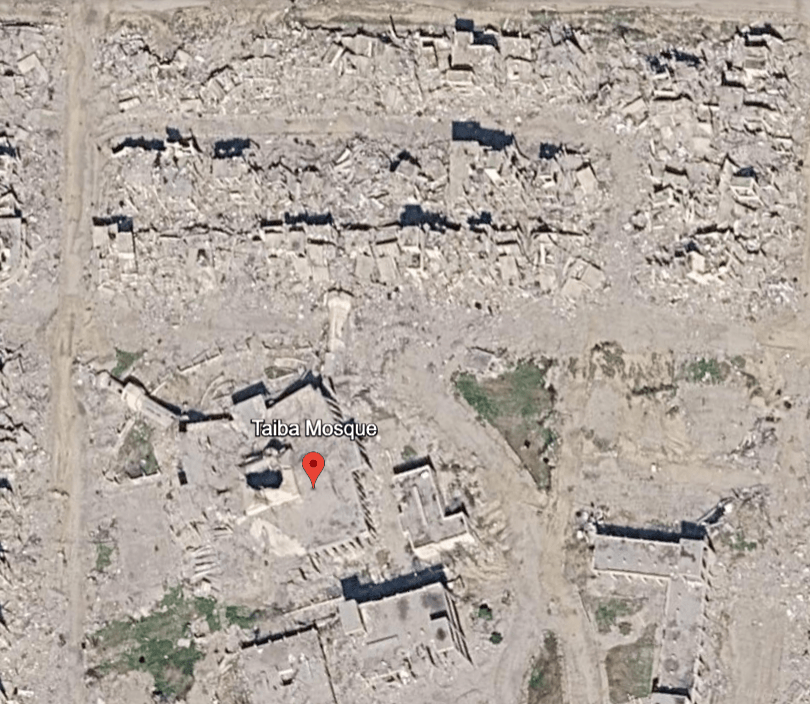
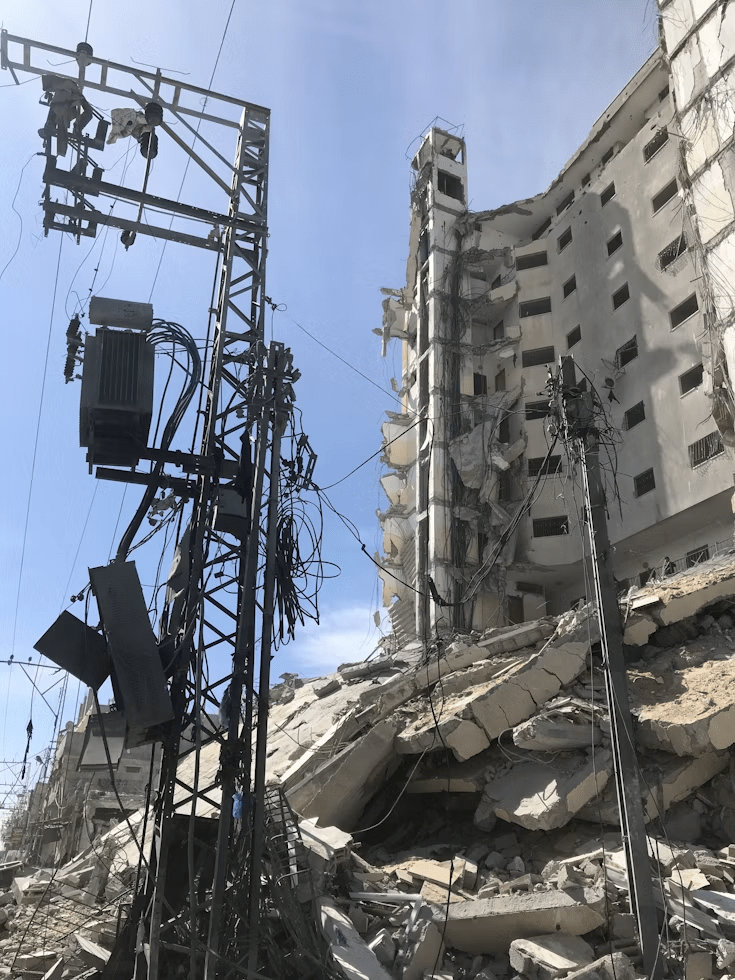
As a result of massive strikes by the Israeli army, according to the Ministry of Health of Gaza, about 73,000 people have died, more than 170,000 have been injured. There are currently no independent assessments of casualties, nor are there accurate data on the proportion of civilians and Hamas fighters among the deceased.
The destruction of critical infrastructure has led to almost complete lack of water supply and electricity. The fuel shortage exacerbates the energy crisis, as generators are the only source of electricity. Doctors are forced to perform surgeries without light, making quality medical assistance virtually impossible.
Food security and health
In various areas of Gaza, phases IPC 3 (food crisis) and IPC 4 (emergency situation). 1 million people, including 7 million children, need humanitarian assistance — in fact, the entire population of the enclave.
- 101,000 children are at risk of acute malnutrition.
- 19,425 children are being treated for acute wasting.
- More than 1 million children need psychological support.
Displaced persons and living conditions
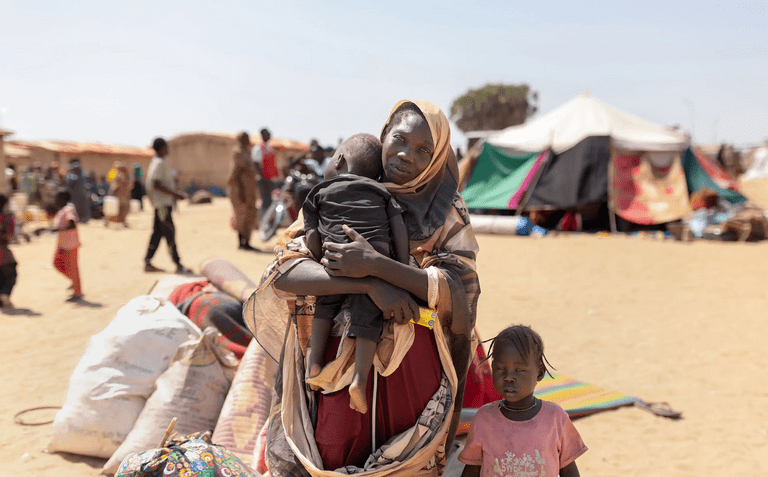
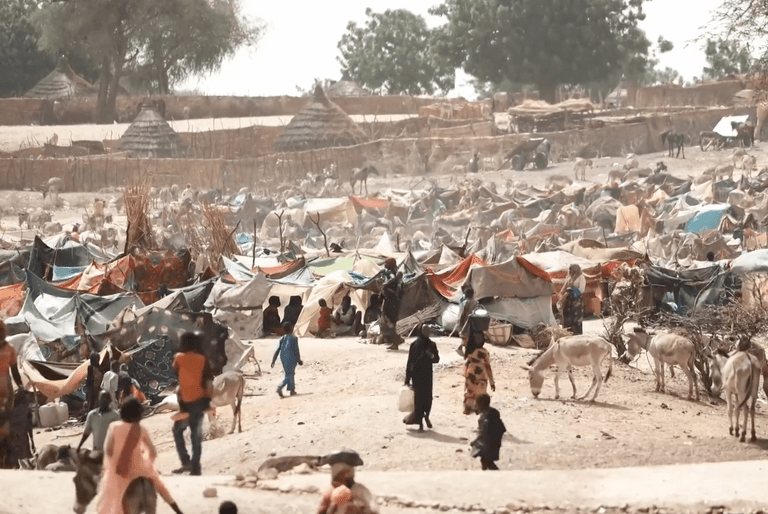
1,743,000 people are internally displaced. Most live in camps or tents among the destroyed cities. Even setting up a tent has become an unaffordable luxury for many families. The areas of accommodation are often controlled by armed groups not affiliated with the UN or humanitarian organizations.
Concentration of camps (Khan Younis and central Gaza)
After the operations of 2024-2025, Khan Younis became a key hub for the accommodation of displaced persons. The camps are overcrowded, and people are experiencing shortages of water, sanitation, and medical assistance.
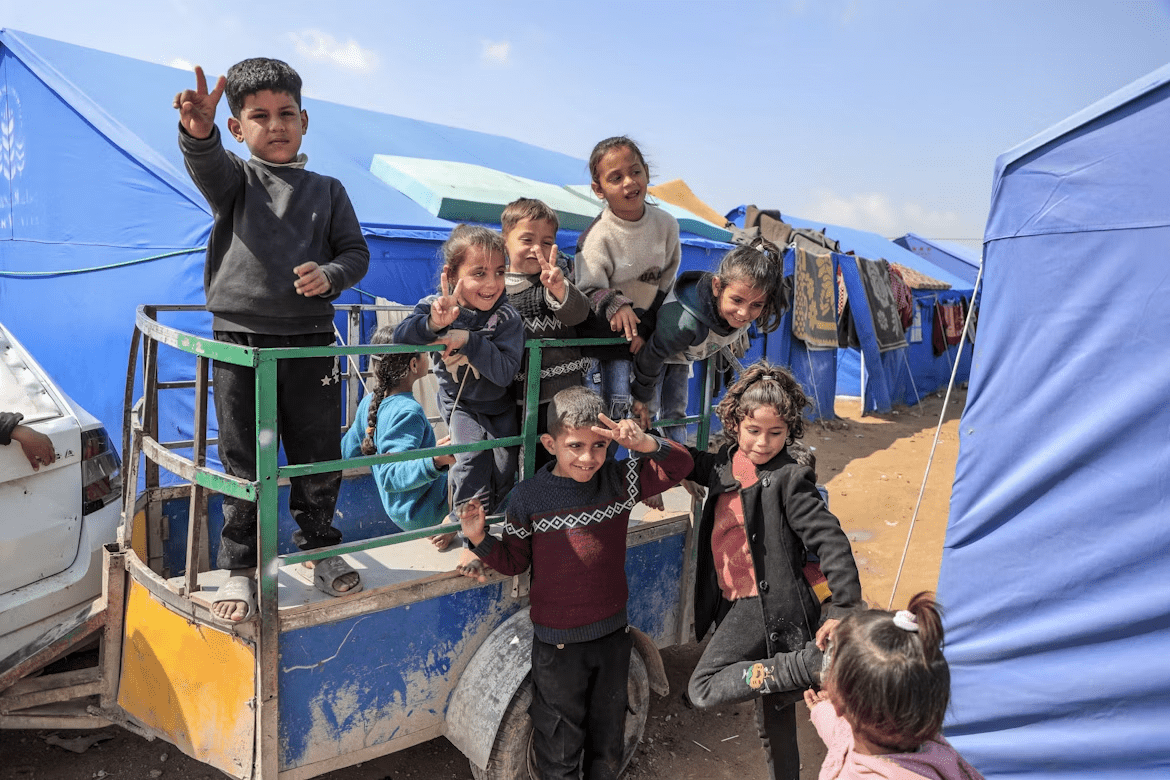
Education has effectively come to a halt. Only a few children continue their studies; most are forced to help their families with daily needs and food procurement. UNRWA schools have been turned into shelters and temporary learning spaces, but there is a catastrophic shortage of places.
The population density in central Gaza and Khan Younis remains at its maximum. People have been living in temporary shelters for several years, although they are designed for accommodation for only a few months.
We do not see trends towards improvement. Debris clearance is proceeding slowly, and building reconstruction is not taking place. Many residents live in emergency housing without critical structures, which poses a threat to their lives.
Humanitarian aid and the criminal situation
The flow of humanitarian aid remains critically low and significantly below the minimum calculated needs. The Rafah crossing from Egypt is closed; the only functioning point — Kerem Shalom, which is not designed to expand supplies.
Commercial goods continue to enter Gaza, including goods for the black market. The cost of cargo increases almost twofold along the route. A paradox arises: goods are available in the market, but they cannot be purchased.
We believe that most shops and markets are controlled by armed criminal groups. These groups can impose «taxes» and fees for access to humanitarian cargo. There is insufficient data for in-depth analysis of their activities, but their role in controlling supply chains and resource distribution is key.
Expansion of Israel's buffer zone
In 2026, Israel continues to advance the control line («yellow line») deeper into Gaza, including the eastern areas of the Central Zone and Khan Younis. This is accompanied by evacuation orders and «stay in place» regimes for tens of thousands of people.
The actual buffer zone may reach up to 80% of the enclave territory, whereas previously it was about 50%. In recent months, there has been an intensification of Israel's efforts to strengthen the buffer zone using heavy machinery.
Conclusion
The situation in the Gaza Strip remains critical, and we do not see signs of improvement. The influx of humanitarian aid is insufficient, and the criminal situation is likely to worsen.
In the near future, we will prepare a special project on Israel's military operation in the Gaza Strip.

 Russian
  English