
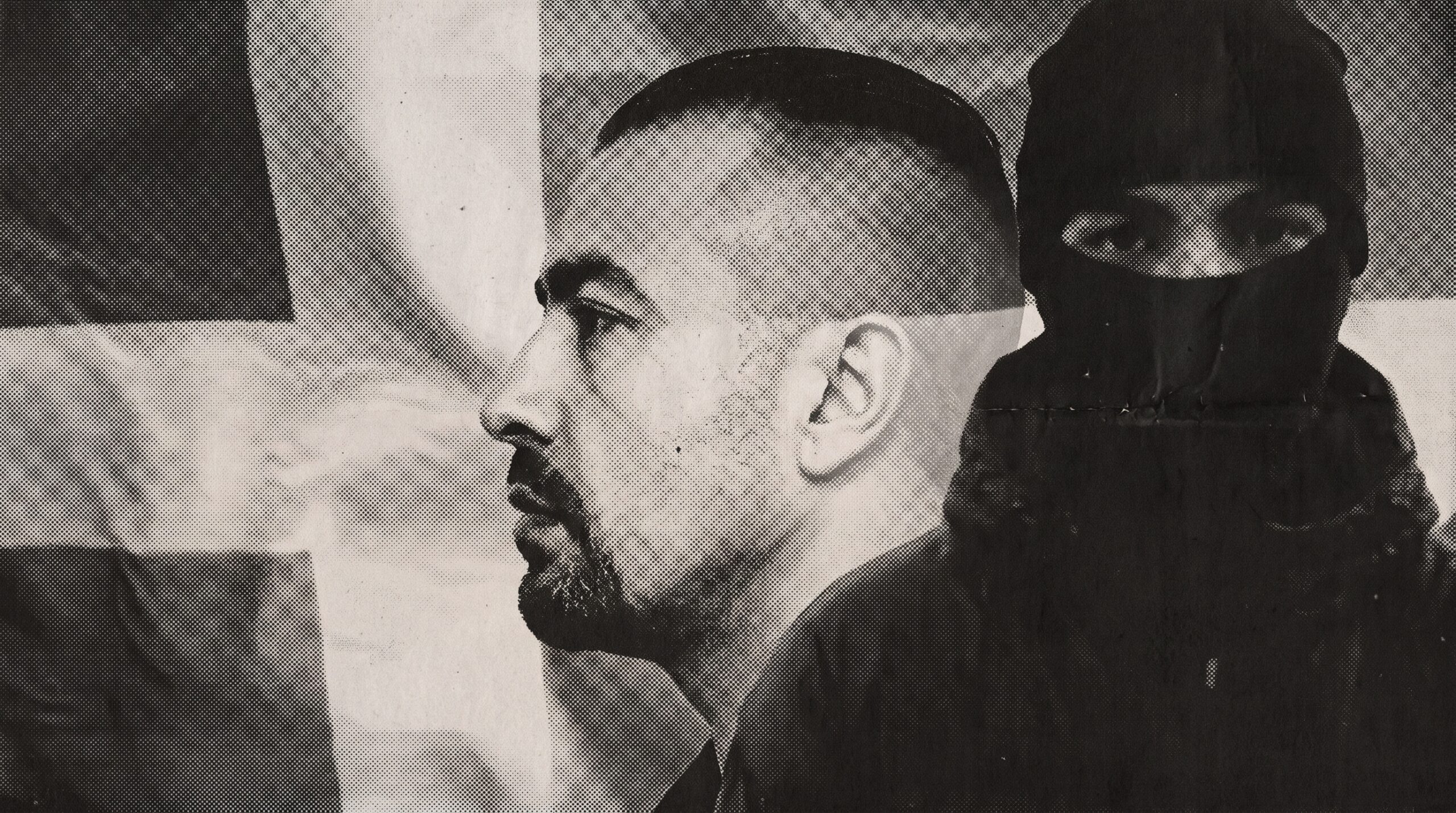
- In the 2010s and 2020s, Sweden faced an increase in armed violence related to organized crime. The material links the vulnerability of areas, including Stockholm's Järva, to the spatial and social isolation of neighborhoods built under the «Million Apartments» program.
- Special attention is paid to the recruitment of adolescents by criminal networks, including Foxtrot. Criminals use local connections, social networks, and secure messengers, offering money for tasks and gradually involving young people in violent crimes. Threats to adolescents and their families complicate their exit from the criminal environment.
Sweden has long been perceived as one of the safest countries in Europe. However, in the 2010s and 2020s, the situation changed: the country faced an increase in violent crimes, primarily armed violence related to organized crime.
The most notable feature of this phenomenon is the involvement and use of minors and young people by organized groups in the commission of violent crimes.
Previously, violent crime was mainly associated with domestic conflicts, family violence, and incidents arising from alcohol and drugs. Since the mid-2000s, the situation began to change radically: the country started to record more crimes involving firearms. Criminal groups became more active in using them, and disputes between them moved into the public sphere.
Of course, the internet and messengers also played a role. Criminal groups found it easier to attract perpetrators, especially from vulnerable populations.
Where vulnerable areas in Sweden came from
The «Million Apartments» program: how Sweden built residential areas
After World War II and subsequent urbanization, Sweden faced a housing crisis. In the 1960s, the ruling Social Democratic Party of Sweden launched a state program called «Million Apartments.».
The ruling elite kept their promise: a million new housing units were built in Sweden. In less than 10 years, from 1965 to 1975, authorities erected tens of thousands of new homes. However, it is important to understand that along with the construction of new housing, tens of thousands of old buildings were demolished.
A significant portion of the new housing was located in the remote suburbs of Stockholm.
The construction solutions of that time were based on the principle of separating functional zones: the main task was to isolate new residential areas from traffic flows. They were built according to the SCAFT, system developed at the technological university. Its feature was that bicycle and pedestrian flows were not supposed to intersect with vehicle traffic.
The typical layout of a residential area looked as follows:
- In the inner core (courtyard), there were green spaces and educational institutions.
- Next was the residential zone, where houses were free of vehicle traffic.
- An access road that connected to an underground or multi-level parking lot.
- The outer zone is a bypass road that collects traffic from residential buildings and directs it to the city highway.
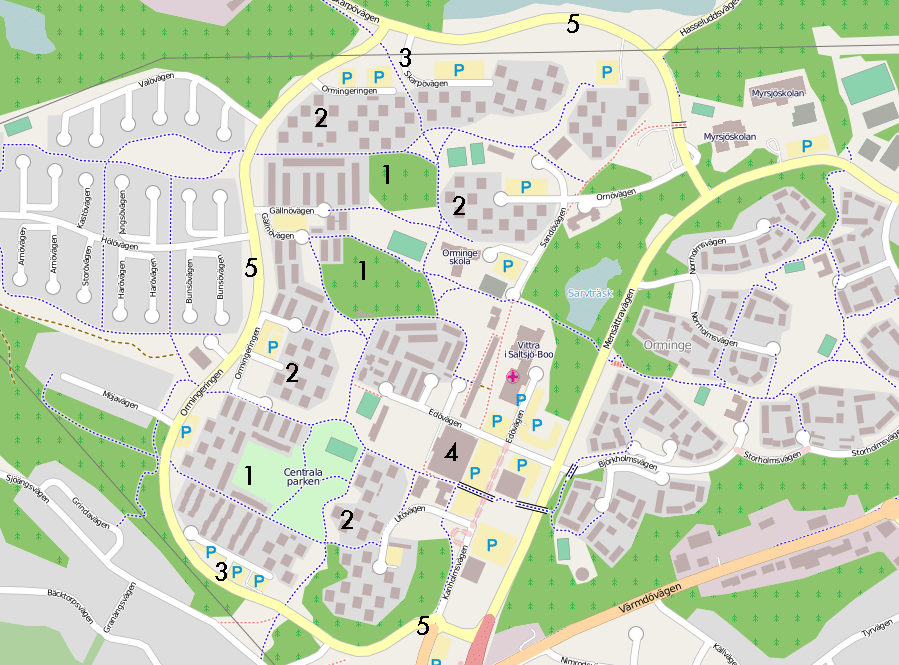
On one hand, such neighborhoods were quiet and environmentally friendly. On the other hand, the isolation led to them being cut off from the central areas of the city, resulting in spatial and social isolation. A similar picture was observed in Linkeroever in Antwerp, which we discussed in our study.
How «vulnerable zones» (Utsatta områden) were formed
The creation of such neighborhoods was the idea of the city of the future; however, it faced significant problems. Such planning excluded economic activity directly on the ground floors of buildings: there were simply no commercial premises. The lack of commercial infrastructure and separation from the center by transport highways led to these areas becoming dormitory districts, and there began an outflow of economically active residents. As a result, low-income citizens and migrants began to settle in these neighborhoods, which ultimately solidified the status of these areas as disadvantaged and socially isolated.
Thus, vulnerable zones began to form, characterized by high unemployment, social isolation, and extremely low levels of integration.
Vulnerable areas of Stockholm: Järva
In 2025, the Swedish police registered about 59 vulnerable areas, 19 of which fall into the category of particularly vulnerable. Approximately 550,000 people live in these areas, accounting for about 5% of the country's population. By vulnerable areas, the police mean residential zones where residents may have low social status, and criminal groups may exert influence over them.
We will examine the Järva area. It is a large suburb of Greater Stockholm, where the mass housing program was concentrated. Additionally, this area is characterized by a high proportion of migrant population, including young people.
Järva: the northwestern cluster of Stockholm
The name Järva usually refers to several large residential clusters in the northwest of Stockholm. Most residential neighborhoods in Järva were built under the state mass housing program. Initially, Järva was supposed to become a modern and promising area; however, due to planning problems noted above, many financially capable residents moved to other parts of the city. As a result, low-income families and migrants began to settle here. Currently, about 97,000 people live in Järva, comparable to the population of a small city. Migrants make up a large part of the residents: about 76% have foreign origins, approximately 45% are connected to Asian countries, and 34% have African roots.
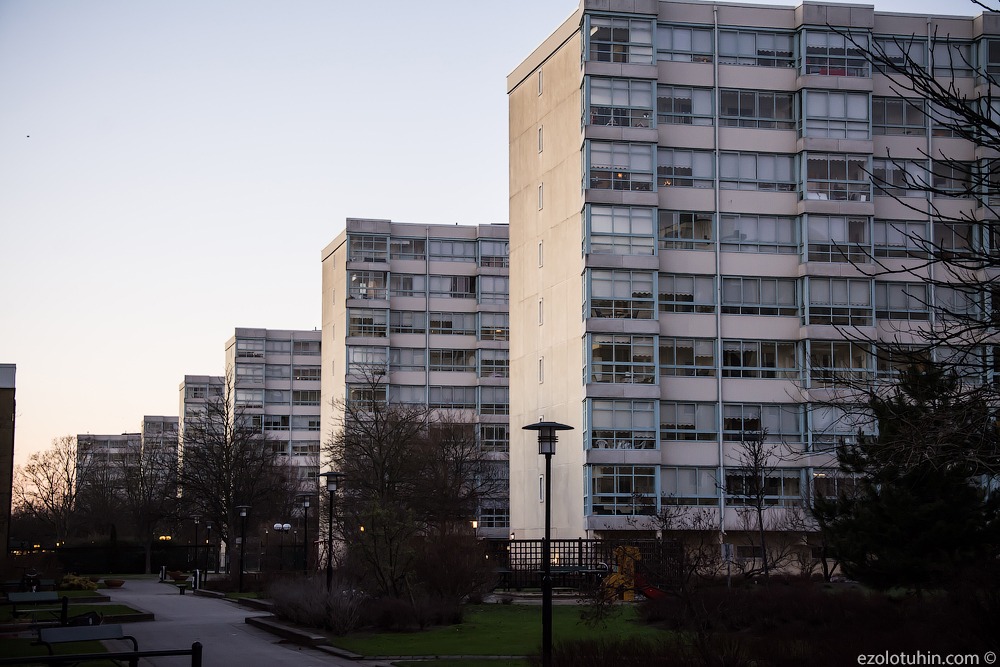
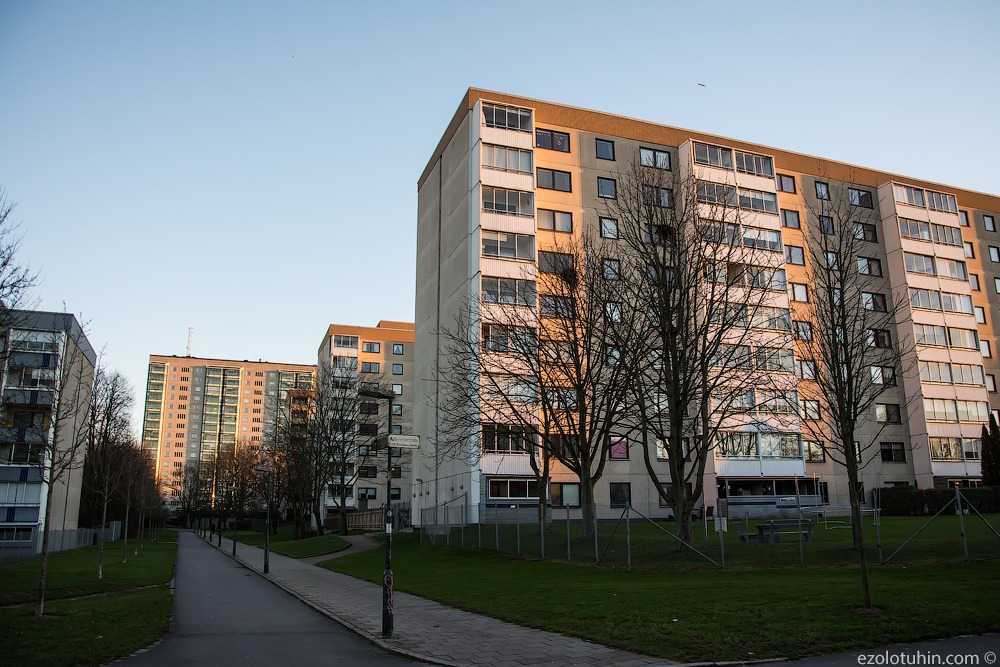
One of the features of the area is that most residents are relatively young people. In several neighborhoods, the proportion of teenagers exceeds the average figures for Stockholm. About 17,000 children and teenagers under 20 years old live in Järva.
This is important because criminal groups recruit adolescents into their ranks. It is easiest to involve them through high school students who are already engaged in criminal schemes.
Criminal network Foxtrot: one of the most influential groups in Stockholm
The criminal group Foxtrot first gained attention after a series of explosions in Stockholm in 2023, when the struggle for the drug market entered a hot phase.
Foxtrot is considered one of the most influential criminal networks in Sweden. Its central figure and founder is Rava Majid, nicknamed «Kurdish Fox» (Kurdiska räven). He was born in Kermanshah, Iran, to a family of refugees from Iraqi Kurdistan who moved there after the start of the Iraqi war. Soon after Rava's birth, his parents took him to Sweden, to the city of Uppsala.
Majid began his criminal life as a teenager. He received his first conviction at the age of 19 for petty theft and cigarette smuggling. Gradually, he expanded his activities to the buying, selling, and smuggling of drugs. In 2010, a batch of drugs was discovered in his garage, and the court sentenced him to eight years in prison. We assume that during his imprisonment, he managed to gain the support of criminal elements and expand his activities even from prison. In 2018, after the murder of his cousin, Sweden allowed him to travel to Turkey despite police supervision. The Swedish police apparently did not consider Rava to be a significant figure and believed that he would not be able to manage the organization remotely.
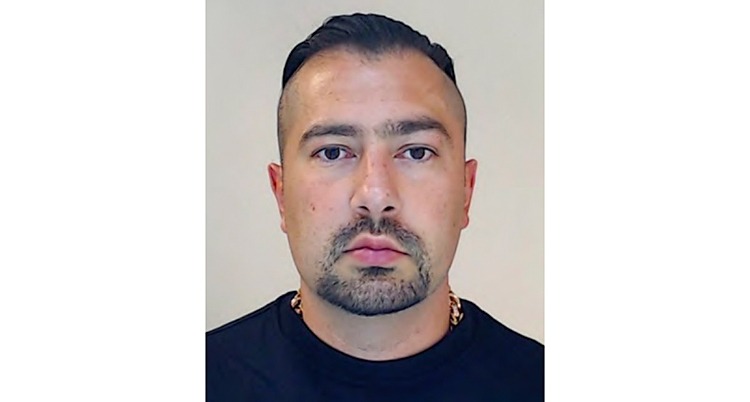
After that, he obtained a Turkish passport through investment, and Turkey responded with refusals to all extradition requests in accordance with local law. After the outbreak of gang wars and a split in the organization, he left Turkey and went to Iran. There were unverified reports of his detention. At present, he is more likely to be in either Iran or Turkey.
Foxtrot initially engaged in the sale and trafficking of drugs, but over time its activities expanded. The criminal network gradually became more involved in violent crimes, including the use of intermediaries for contract killings, extortion, smuggling, and so on.
The organization lacks a rigid vertical structure: the network uses a circle of intermediaries and trusted persons, which complicates the police's ability to reach the ultimate beneficiaries.
However, this structure is not without its drawbacks. In 2023, there was an incident conflict between the «Kurdish Fox» and his closest associates — Ismail Abdo and Mustafa «Benzema» Aljiburi. The latter was shot in Baghdad, allegedly by Ismail Abdo; three Swedish citizens received life sentences.
Why youth becomes the main target for recruitment
Youth in Stockholm and other cities in Sweden is becoming the main target for recruitment by criminal networks, as we saw in the case of Antwerp. Recruitment often occurs in densely populated areas, such as Järva.
Undoubtedly, to attract teenagers to criminal activities, gangs exploit the financial appeal of such work. They take advantage of the fact that teenagers are still poorly informed about the legal consequences.
The most notable case — the recruitment of 19-year-old Norwegian Johannes Natland, who was hired by Foxtrot for contract killings in the UK. He was promised 25,000 euros for the job. Even Natland himself did not know the identity of the intended victim. Interestingly, Natland grew up in a well-off and educated Norwegian family. This means that in this case, the Norwegian might not have needed the money. However, it is known that shortly before leaving for England, he began using drugs, including hard substances. It is possible that the organization decided to exploit his vulnerability.

It is known that other minors — teenagers aged 16 and 17 — assisted him in organizing possible attacks. The clients did not reveal their identities to the young people.
This example illustrates that even well-off teenagers can become part of organized networks, and that recruitment extends beyond Sweden alone.
According to the Swedish police, there are currently about 1,700 teenagers under the age of 18 who are active members of criminal groups, while approximately 3,700 young people have connections to criminal networks and are at risk. It is concerning that young people and teenagers are being involved not only in carrying out minor tasks but also in violent crimes: their increase from 2014 to 2023 was about 400%.
How recruitment of minors occurs in Sweden
Recruitment occurs not only through personal acquaintances within a neighborhood but also on social media.
It mainly takes place through secure messengers such as Signal and Telegram. Additionally, criminal groups may use TikTok, where they post videos about a wealthy lifestyle, showing teenagers that they can increase their income by simply completing «tasks.».
It is also important to consider that the recruiter is not a leader or close associate of the criminal group. Older young people, for example, those aged 20, attract teenagers aged 12 to 15.
The tasks that minors receive are similar to those in criminal groups in Belgium. Most teenagers start as couriers, and it is not always about transporting drugs: it can be a phone, money, and other items. As the teenager successfully completes tasks, they may receive promotions in the criminal hierarchy and subsequently carry out more serious assignments for higher pay.
Money becomes the main motivation for juvenile offenders. The amount of reward increases over time — from 100 to 25,000 euros.
However, teenagers involved in criminal networks often face threats if they refuse to complete a task or try to escape from the criminal group. Criminals may use pressure and threats, including against family members.
Therefore, exiting the criminal environment proves to be significantly more difficult than the initial entry.
Conclusions: how the recruitment of teenagers into criminal networks in Sweden is structured
Modern recruitment of minors is not a spontaneous process but a well-structured system. It combines neighborhood connections, age hierarchy, financial incentives, digital technologies, and coercion methods. It is thanks to this system that criminal networks are able to involve thousands of young people across Sweden in their activities each year.
The rise of youth crime in Sweden cannot be explained by a single reason. The planning of residential areas during the «Million Apartments» program led to spatial and social isolation, while the outflow of economically active populations solidified their status as disadvantaged. In areas such as Järva, an environment with a high proportion of youth and low levels of integration has formed, where criminal networks, including Foxtrot, find it easier to recruit perpetrators.
The story of Johannes Natland shows that even teenagers from well-off families can fall under the influence of recruiters, and the problem itself extends beyond the borders of a single country. Therefore, countering recruitment requires attention not only to the activities of gangs but also to what makes teenagers vulnerable: the social isolation of neighborhoods, financial incentives, and digital channels through which criminal groups reach out to youth.





 Russian
 English