
In the eastern part of the DRC, an Ebola outbreak continues affecting Ituri, North and South Kivu, as well as the cities of Bunia and Goma. According to WHO data, there have been 867 cases and 204 deaths reported; the outbreak has been recognized as a public health emergency of international concern.
The cause is the Bundibugyo strain, for which there is no licensed vaccine. The spread is facilitated by burial rites, caring for the sick, and armed conflict, which destroys medical infrastructure and hinders contact tracing.
In the eastern part of the DRC, in the provinces of Ituri, North and South Kivu, an outbreak of Ebola fever has been recorded. The disease is also spreading in the major cities of Bunia and Goma. Ongoing combat between M23 and the Congolese army directly impacts the epidemiological situation. More details on the humanitarian context can be found in our study.
Current Situation
According to WHO data, 867 cases have been reported along with 204 deaths. The organization has declared the outbreak a public health emergency of international concern. It is important to note that data is updated: recent WHO reports indicate a further increase in both suspected and confirmed cases.
Strain and transmission characteristics
The outbreak is caused by the rare and little-studied Bundibugyo strain. It was previously recorded only in 2007 and 2012, and there is currently no licensed vaccine against it. The incubation period can last up to 21 days. Transmission occurs solely through contact with the biological fluids of an infected person — blood, vomit, diarrhea, saliva, and sweat. Airborne transmission is excluded.
Mass transmission factors
One of the key factors remains traditional burial practices. Washing the body, touching, and communal goodbyes create a high risk of transmission. In some villages, bodies are not surrendered to government services due to low trust, leading families to conduct burials themselves. WHO records clusters of infections related to funerals, including chains of secondary cases.
Transmission also occurs through caring for the sick. Severe sweating, vomiting, and diarrhea lead to the contamination of surfaces and clothing. This concerns both relatives caring for sick individuals at home and medical workers. At the beginning of the outbreak, several of the first deaths were among healthcare personnel, which was one of the signals of the epidemic's onset.
Impact of conflict
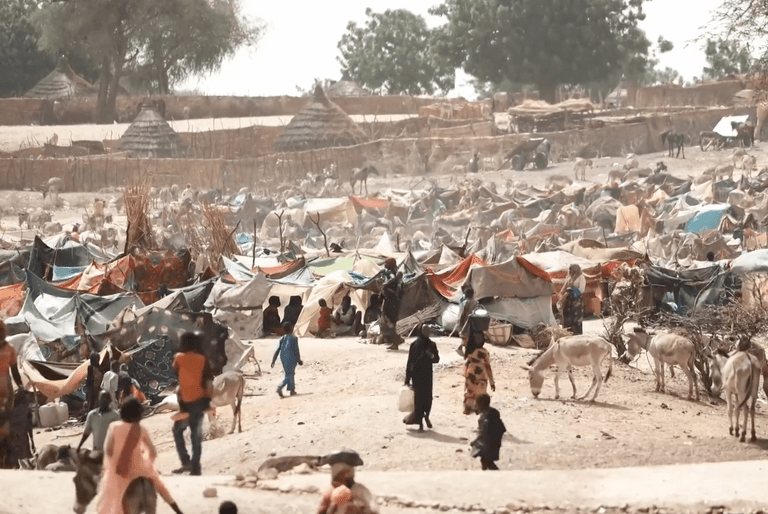
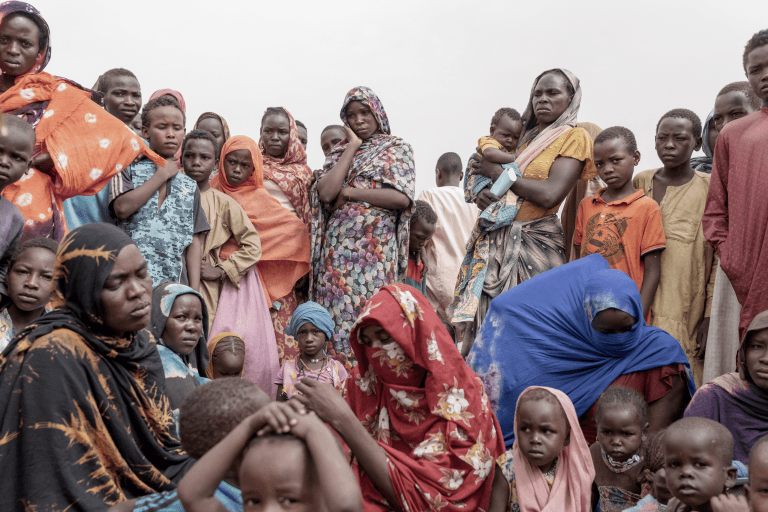
Conflict in the eastern part of the country significantly complicates infection control. Hospital infrastructure has been damaged or destroyed. Mobile medical teams face difficulties moving due to checkpoints and restrictions from M23. Constant population displacement hinders contact tracing and identification of vulnerable groups. Separate instances of violence against medical personnel and arson of tents are recorded, reducing access to medical assistance.
In such conditions, it is extremely difficult to curb the infection in combat zones or in areas controlled by M23.
This is why WHO has declared the outbreak a global health emergency, and the African Union has declared it a continental-level emergency.
Our project will continue to monitor the situation.

 Russian
  English