
In eastern DR Congo, the conflict between the M23 militia and government forces continues. The full-scale phase of the conflict started in late 2021 and continues to this day. During this time, tens of thousands have died, and millions have become refugees.
What is happening now?
M23 rebels, allegedly supported by Rwanda, continue to control a significant part of eastern DR Congo. North Kivu and a substantial part of South Kivu are under the control of the rebels. The capital of North Kivu, Goma, has been under M23 control since 2025. The capital of South Kivu, Bukavu, is completely surrounded; reports indicate that the DR Congo army holds only the central areas of the city. The rebels control major roads leading into the city.
In recent months, reports have emerged that M23 and its allies have intensified offensive actions. Notably, the use of drones has been recorded: in Mushaki, a city three kilometers from Goma, there have been documented drone strikes. There is particular concern about the use of drones against humanitarian missions: in Mushaki, there was a targeted attack on a humanitarian convoy.
Humanitarian Situation
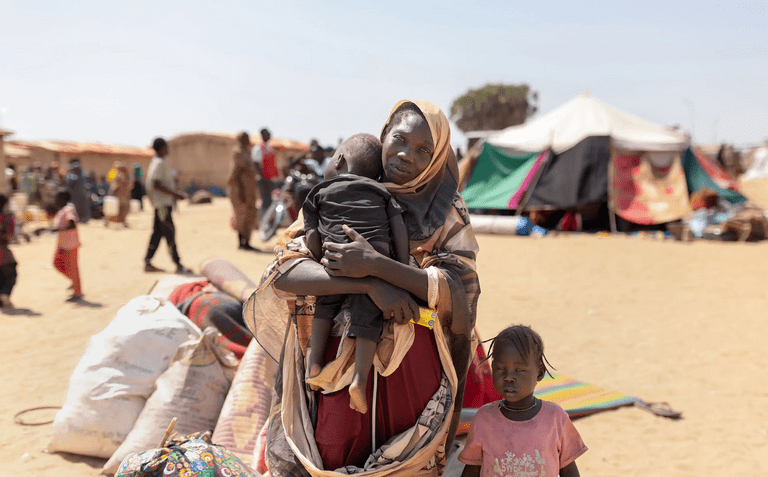
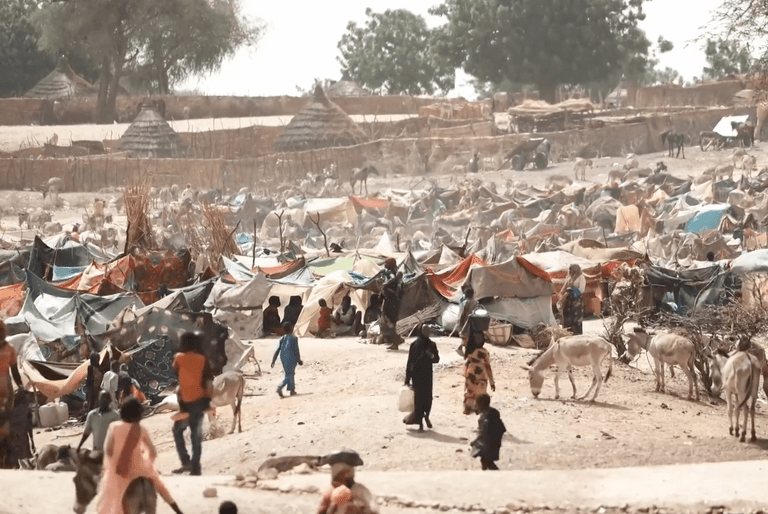
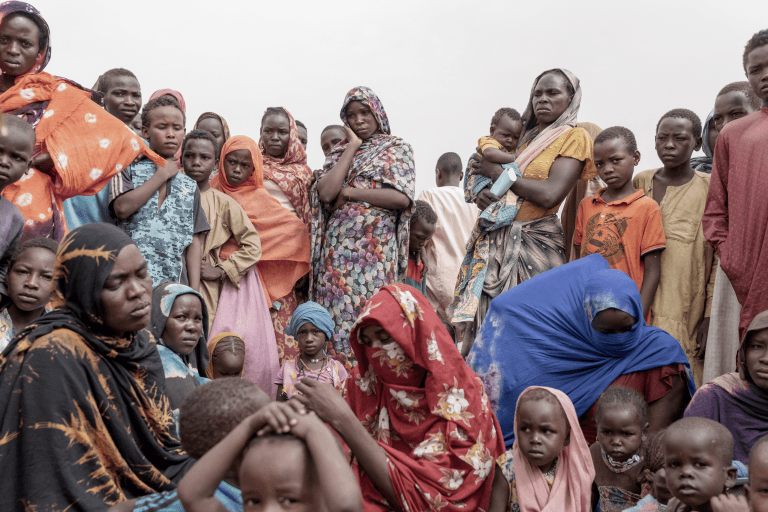
The humanitarian situation in eastern DR Congo remains dire and is already characterized as critical in several areas. According to data from UNICEF, over 14.9 million people need humanitarian assistance, including 8 million children.
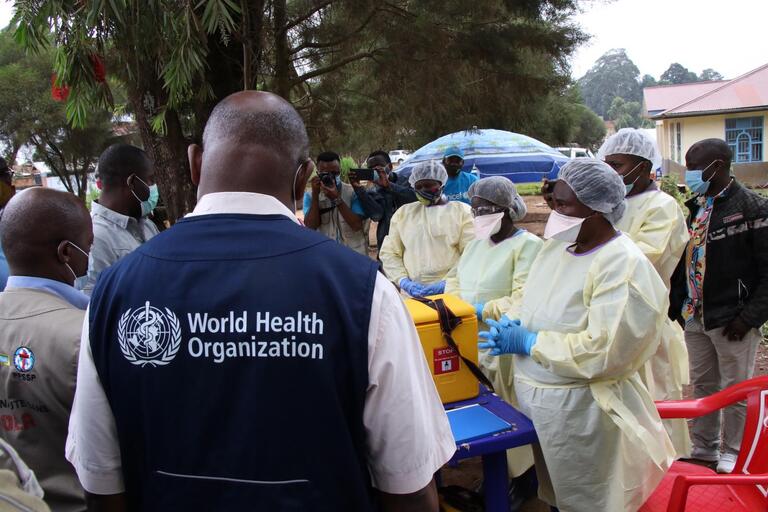
Medical assistance is severely hampered: many facilities have been destroyed, closed, or are operating with minimal resources.
In the areas around Bukavu, Masisi, and other settlements, rebels have set up checkpoints on key roads. They collect fees from cargo, including humanitarian deliveries. Fees can be collected multiple times—practically at every checkpoint, making the delivery of aid nearly impossible.
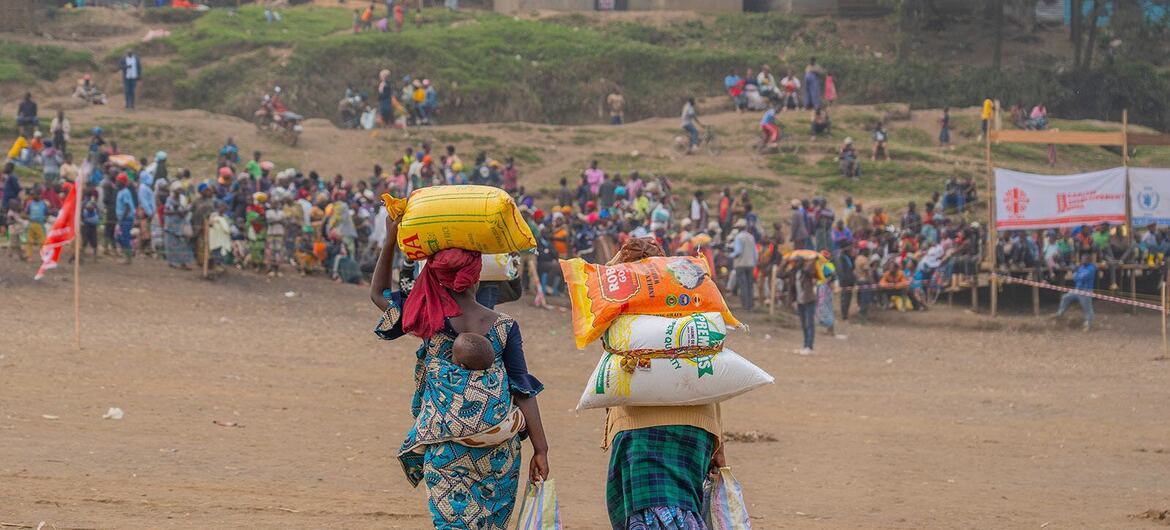
The primary assistance is provided by the World Food Programme; however, it states that funding is at a minimum level, and the organization cannot expand its mission. Private initiatives are also limited due to the risk of attacks on convoys.
Attacks on Villages and Violence
M23 is reportedly carrying out targeted attacks against civilians in captured areas. The situation is particularly severe in South Kivu. Local NGOs and media report mass executions of civilians along the front lines.
Rebels are resorting to burning villages—there have been cases in the Uvira mountains where entire settlements have been destroyed. Regular attacks on civilians occur along the Uvira-Fizi route. Many are trying to flee towards Bukavu; however, the roads are controlled by armed groups, making migration extremely dangerous.
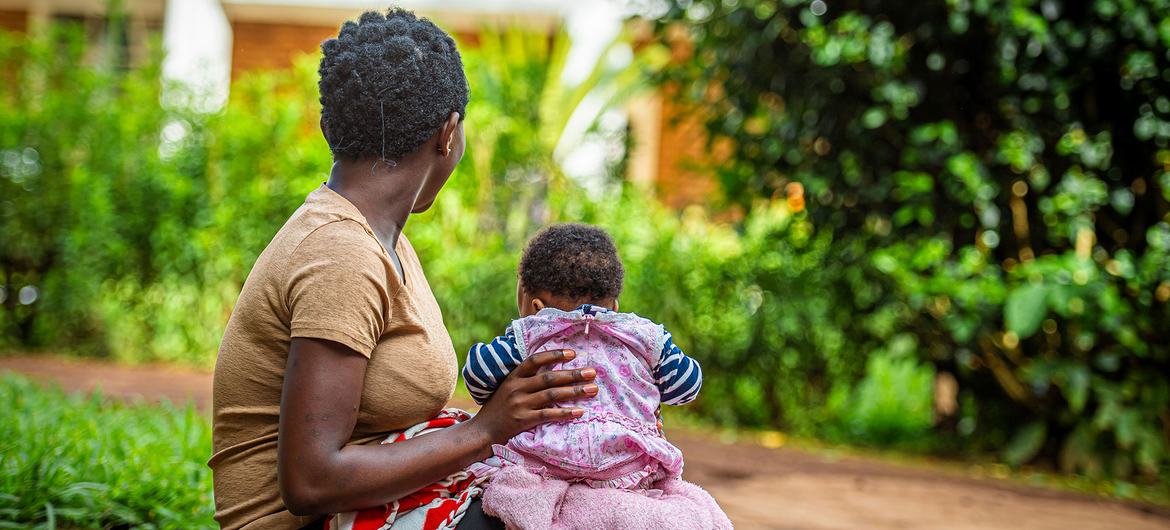
In North Kivu, there are reports of forced labor being used by M23 to strengthen positions and build roads. Additionally, incidents of sexual violence against women and girls by various armed groups have been recorded in both provinces.
Infrastructure
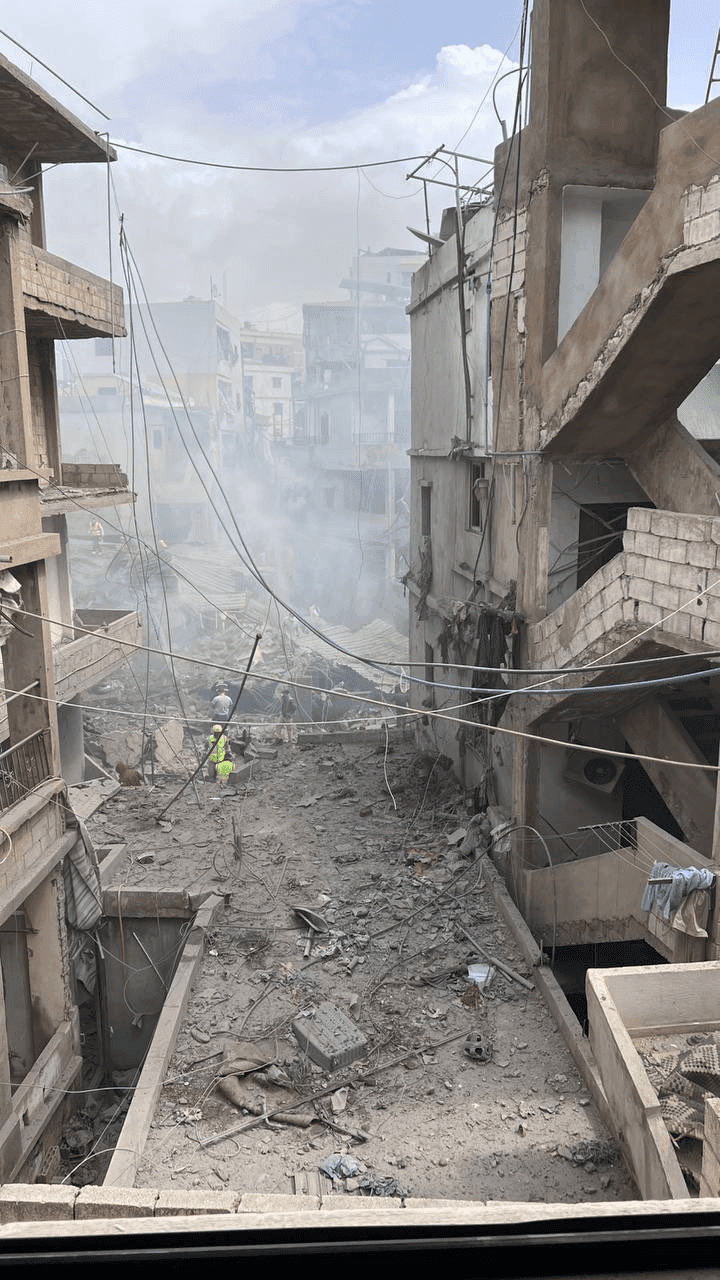
Eastern DR Congo is considered one of the most devastated regions in the world, and the war of the last two years has further exacerbated the situation.
Most roads between major cities in North and South Kivu are destroyed or severely damaged. Bridges are unusable for transportation. Electricity and water supply have been absent in several areas for weeks.
These factors make it nearly impossible to:
Use of Drones
According to local media reports, M23 has used drones to strike positions of the Congolese army three kilometers from Goma.
The use of drones marks a new phase of warfare. The types of drones are unknown; it is likely that some are supplied by ‘third parties’, while others are homemade.
International Response
The main mediators in the conflict are the UN, the African Union, and the USA.
The African Union has repeatedly called for a ceasefire but lacks leverage over Rwanda. The USA publicly states Rwanda’s involvement in supporting M23.
As part of the 'Washington process', an agreement was signed between DR Congo and Rwanda in June 2025, outlining the withdrawal of Rwandan troops. In April 2026, a protocol on humanitarian access was signed in Geneva.
However, despite diplomatic efforts, the situation remains extremely dire. M23 continues to hold populated areas, and the humanitarian crisis is worsening.
Forecast
Our project does not expect the situation to improve soon. We are noting one of the largest humanitarian crises since Sudan. If urgent measures are not taken, the situation could worsen even more with the onset of drought.

 Russian
  English