![[sub]text](https://subtext-lab.com/wp-content/uploads/2026/01/white_transp-scaled.png)
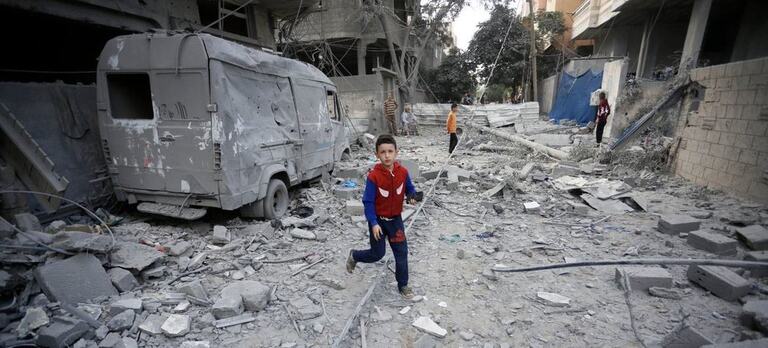
The war in the Middle East has been ongoing for over a week. During the first seven days, we conducted direct monitoring of events — here you can see what happened. The escalation of the conflict continues, and more countries are becoming involved in the fighting. Our project attempted to assess the economic risks that the current situation poses for the Gulf states and for Iran's neighbors.
Oil prices
With the onset of the conflict, regular oil supply routes have been disrupted. Middle Eastern countries account for about 26% of global oil production. The majority of exports pass through the Strait of Hormuz — a strategically important artery through which about 20% of the world's marine oil supplies and about 30% of liquefied natural gas (LNG).
pass. According to media reports, more than a thousand tankers may already be waiting in the Gulf of Oman for the chance to pass through the strait. This is increasing pressure on the market, and oil prices are rising. The price of Brent has already exceeded 88 dollars per barrel.
Exporting countries are forced to stockpile reserves within the country. This could lead to overflowing tanks, reduced production, and further price increases. Qatar has already stated that it will take several weeks to several months to return to normal LNG supply volumes.
If the situation drags on, the price of oil could exceed 100 dollars per barrel. This would trigger a chain reaction: an increase in fuel prices, rising transportation costs, and then — food, medicine, and other goods. Even countries with persistently low inflation will face accelerated inflation. Central banks will be forced to raise interest rates, leading to a slowdown in economic activity and a decrease in investments. Ultimately, the global economy may slow down, and developing countries are at risk of entering a recession.
Risks to logistics: sea, land, air
Not only maritime supplies are disrupted. Land and air corridors are also at risk. Airlines Emirates and Etihad report that they expect to restore air service soon, but risks remain high. Iran is striking at U.S. and allied facilities, and such attacks could pose a threat to civil aviation.
There are currently no signs that Iran intends to reduce or cease its strikes. This creates uncertainty for the entire air traffic system in the region.
What will happen next
The further development of the situation depends on several factors:
- how long the military operation will last;
- whether further escalation will occur;
- whether the U.S. and its allies will opt for a ground operation;
- how seriously oil and gas infrastructure and logistics routes will be damaged.
Each of these factors has the potential to radically change the economic consequences of the conflict.
Subscribe to our newsletter
Enter your email below and subscribe to important updates about our project

 Russian
  English